
Strait of Hormuz: The Global Economy’s Chokepoint
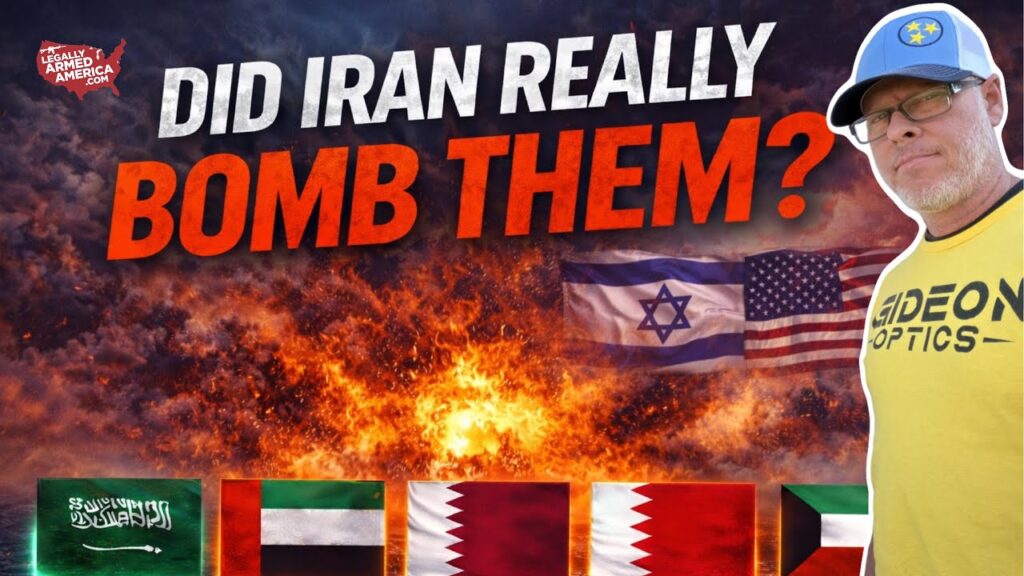
In a fiery Legally Armed America video, host Paul Glasco dissects the escalating Iran conflict and its potential to disrupt the Strait of Hormuz, a narrow 21-mile-wide waterway—effectively a two-mile shipping lane—carrying 20 million barrels of oil daily, or 20% of global consumption. Glasco argues that Iranian threats, rather than outright closure, are already slowing traffic through self-policing by shippers and skyrocketing insurance premiums, potentially spiking oil prices from $70 to $150 per barrel overnight. He ties this to recent U.S. and Israeli strikes, predicting widespread impacts on American gas pumps, grocery prices, and electronics supply chains reliant on Middle Eastern crude and Qatar’s LNG.
Pros and Cons of the Crisis
- Pros (Winners): U.S. shale producers in Texas and North Dakota see surging margins; Russia gains from discounted oil demand; OPEC nations like Saudi Arabia enjoy petro-dollar windfalls; defense contractors like Raytheon and Lockheed Martin profit from arms sales; Israel benefits from higher-priced natural gas exports; Wall Street traders capitalize on volatility.
- Cons (Losers): Consumers face inflated fuel, diesel, and goods prices; China, India, Japan, and Europe suffer production halts and inflation (a 10% oil hike adds 0.3-0.4% to global inflation); airlines cut routes; global supply chains strain, evoking a worse 1973 oil crisis.
Glasco notes, ‘When the Strait of Hormuz is calm… everything’s good. But when tension rises, the entire system begins to shutter,’ warning of a ‘tsunami’ far beyond historical embargoes. He highlights a hit on a Bahrain radar station, questioning U.S. monitoring capabilities.
Conspiratorial Angles and Predictions
Glasco speculates on Iran’s missile strikes on neutral Gulf bases, drawing parallels to the USS Liberty incident without direct accusation: ‘Tell me if this bombing… doesn’t look very familiar.’ He claims prescience in forecasting war by Sunday, urges economic preparedness, and promotes merch amid St. Patrick’s Day plugs, blending alarmism with commerce in a ‘fluid situation.’


