
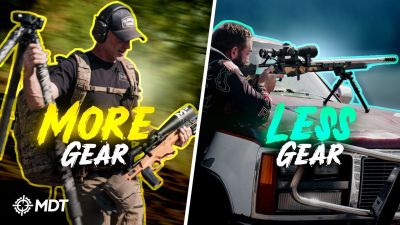
In the high-stakes world of Precision Rifle Series (PRS) competitions, where split-second decisions and pinpoint accuracy separate the winners from the also-rans, one truth stands out: gear isn’t just about piling on the gadgets—it’s about smart selection under pressure. Picture this: the same stage, identical targets at varying distances, yet shooters deploy everything from minimalist bag-supported setups to full-on stability rigs with tripod rears. Experienced PRS pros don’t default to maxed-out kits; they adapt on the fly, proving that less gear can be a superpower when time is ticking and positions demand agility. This isn’t gear worship—it’s tactical minimalism, echoing the 2A ethos of self-reliance where over-reliance on bells and whistles can backfire in real-world scenarios like defensive rifle use or hunting in rugged terrain.
The beauty of PRS lies in its brutal honesty: stages force shooters to build stable positions from improvised cover, mirroring the unpredictability of actual defensive situations where you can’t schlep a go-bag of tripods. Analysis of top performers shows a pattern—veterans like Austin Orgain or Ben Gossett often shave seconds (and points) by ditching excess weight for pure efficiency, using rear bags for quick transitions while reserving tripods for those ultra-long, wind-whipped shots beyond 1,000 yards. When less is better? Prone or barricade stages with tight time limits, where mobility trumps marginal stability gains. When it isn’t? Exposed, high-angle positions demanding rock-solid holds against mirage and mirage. For the 2A community, this is gold: it debunks the more gear = better shooter myth peddled by tactical influencers, reinforcing that proficiency with a basic AR-15 or bolt gun on bipod and bags builds skills transferable to home defense or SHTF without breaking the bank.
The implications ripple far beyond the range. In an era of increasing 2A scrutiny, PRS-style training democratizes elite marksmanship—proving you don’t need $5K of Kestrel-linked tech to dominate. Everyday carriers can apply this: drill minimalist positions with your duty rifle, test tripod viability for static overwatch, and watch your match (or match-like) performance soar. Ultimately, PRS reminds us there’s more than one path to victory, whether chasing podiums or safeguarding rights—gear serves the shooter, not the other way around. Grab your bags, hit the line, and gear down to level up.


