

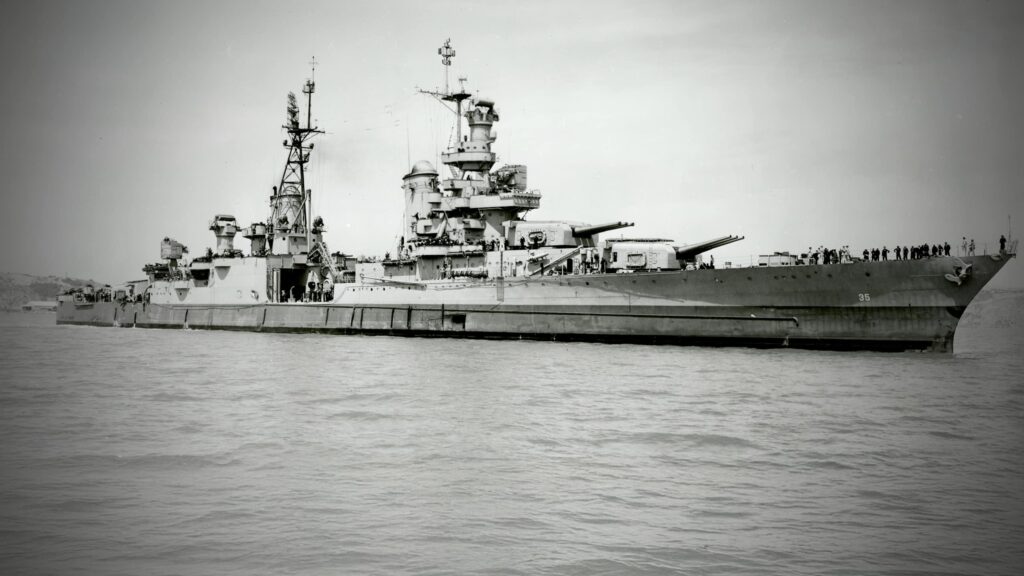
The story of the USS Indianapolis is one of naval heroism shadowed by unimaginable horror, a tale that Tom Laemlein masterfully unpacks in his historical deep dive. In the final days of World War II, the heavy cruiser delivered the atomic bomb components destined for Hiroshima, a mission shrouded in utmost secrecy that sealed its fate. Torpedoed by a Japanese submarine on July 30, 1945, the ship sank in just 12 minutes, hurling 900 survivors into the Philippine Sea. What followed was four days of hell: shark attacks that claimed hundreds, dehydration delirium, and exposure, with only 316 men rescued. Captain Charles McVay, scapegoated for the disaster despite enemy action and ignored distress signals, became a tragic figure—convicted in a rushed court-martial and later taking his own life in 1968. Laemlien’s account, rich with survivor testimonies and declassified details, doesn’t just recount the facts; it exposes the Navy’s bureaucratic failures and the human cost of wartime decisions.
For the 2A community, this saga resonates as a stark reminder of government’s lethal incompetence when unchecked power meets frailty. The Indianapolis crew, armed with rifles and sidearms in battle, faced their ultimate test defenseless in the water—pistols lost to the depths, no means to fend off sharks or signal rescuers effectively. Imagine if those sailors had modern self-defense tools: compact firearms with waterproof holsters or suppressed pistols for discreet signaling. This tragedy underscores why the Second Amendment isn’t just about hunting or sport; it’s a bulwark against vulnerability imposed by the state. The Navy’s delay—four days without rescue despite the ship being the war’s last major US loss—mirrors how bureaucratic red tape can disarm citizens in crises, from natural disasters to urban breakdowns. McVay’s railroading by brass echoes gun-grabbers’ narratives today, blaming victims while ignoring systemic rot.
The implications cut deeper: in an era of eroding trust in institutions, the Indianapolis implores 2A advocates to champion armed self-reliance as non-negotiable. Laemlien’s piece isn’t mere history; it’s a clarion call. When governments fail—as they did spectacularly here—personal firepower ensures survival. Study this story, stock your go-bag with reliable iron, and fight for the right that arms free men against both sharks in the sea and sharks in suits. Triumph in victory, tragedy in neglect, but resilience? That’s what we carry strapped to our sides.


