
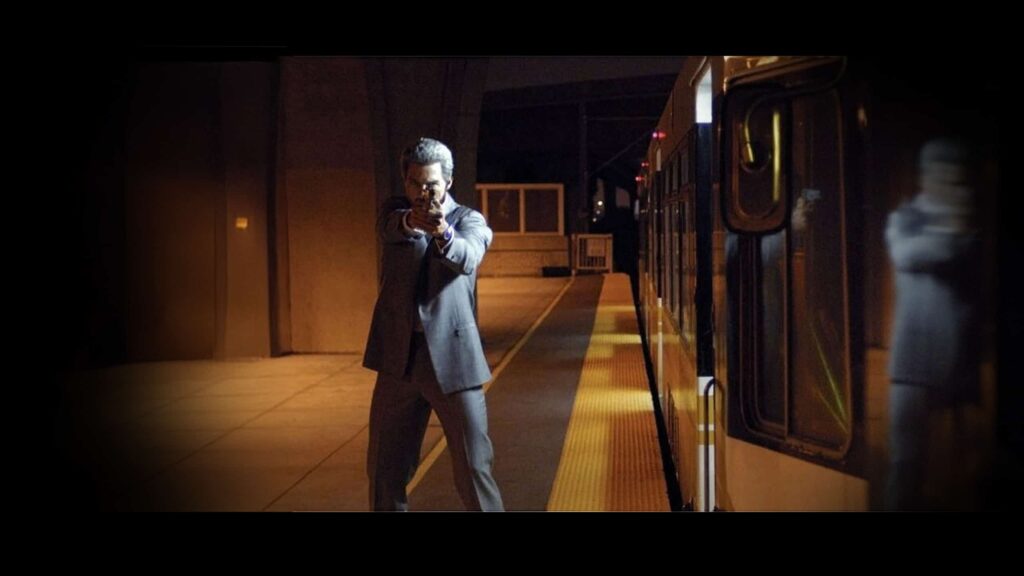
Hollywood loves to glamorize firearms, but when it comes to realism, directors like Michael Mann often miss the mark—until you put their work under the microscope. In Testing Hollywood: Michael Mann’s Collateral, Kevin Creighton dives deep into the 2004 thriller starring Tom Cruise as a slick hitman and Jamie Foxx as his reluctant taxi-driver accomplice. Creighton, a firearms skills expert, breaks down the film’s gunplay scene by scene, from Cruise’s iconic silver SIG Sauer P229 to the tactical reloads and malfunction drills that feel ripped from a real-world range session. What sets this apart from typical Tinseltown tripe? Mann consulted actual SWAT operators and used live-fire training footage, resulting in ballistics and ergonomics that hold up better than most blockbusters. It’s not perfect—Hollywood physics still bends bullets around corners—but it’s a rare case where the props department didn’t phone it in with airsoft replicas.
For the 2A community, this piece is gold because it flips the script on anti-gun narratives that paint Hollywood as the enemy. Mann’s Collateral doesn’t just entertain; it inadvertently educates on modern defensive handguns like the P229, a .40 S&W powerhouse favored by federal agencies for its reliability under stress. Creighton highlights how the film’s depiction of Vincent’s (Cruise’s) precise marksmanship underscores the importance of training—something every concealed carrier knows: skill trumps caliber every time. In an era where movies fuel calls for assault weapon bans, this analysis reminds us that accurate portrayals can normalize responsible ownership. Imagine if more directors followed Mann’s lead: fewer ka-booms from impossible hip-fires, more emphasis on safe handling and real-world ballistics. Creighton’s take arms us with ammo for debates, proving pop culture can be a stealth ally in the culture war.
The implications ripple outward—policymakers and activists who demonize guns should watch and learn, because Collateral shows violence as a consequence of bad actors, not tools themselves. For gun owners, it’s a call to action: support creators who get it right, and keep pushing for authenticity that respects the Second Amendment’s core. Creighton’s breakdown isn’t just a review; it’s a masterclass in why representation matters, turning a popcorn flick into a subtle 2A endorsement. Check it out and see for yourself how Hollywood, when it tries, can hit the target.


