

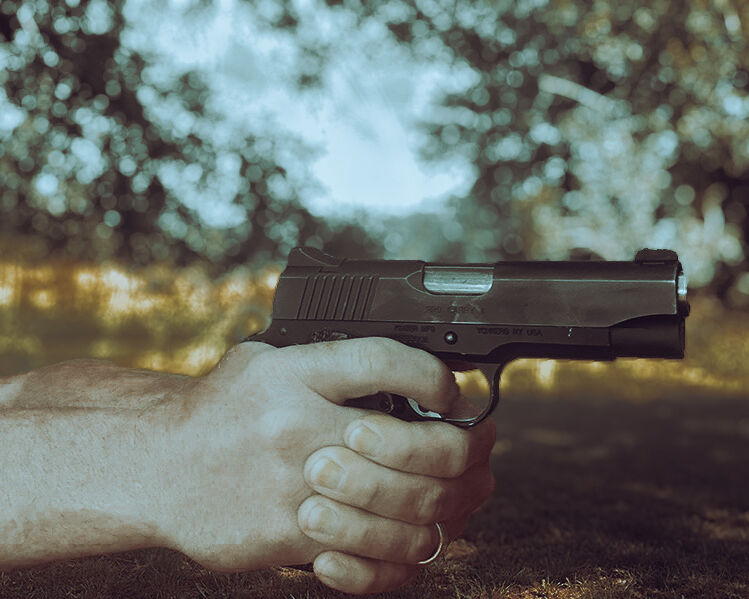
Carrying a 1911 for self-defense isn’t just a nod to nostalgia—it’s a deliberate choice for those who prioritize proven stopping power and surgical precision in a concealed carry package. John Browning’s timeless design, with its single-action trigger averaging a crisp 3-4 pounds and a short recoil system that minimizes muzzle flip, delivers follow-up shots faster and more accurately than many striker-fired alternatives bogged down by heavier double-action pulls or mushy resets. In real-world defensive scenarios, where split-second decisions rule, that ergonomic grip angle and beavertail tang promote instinctive pointing, giving you an edge when adrenaline surges. Data from ballistic studies, like those from Lucky Gunner Labs, backs this up: .45 ACP hollow points from a 1911 often expand reliably to 0.70-0.80 inches, creating massive wound channels that correlate with higher one-shot stops in FBI reports—up to 95% effectiveness in some analyses. For the 2A community, embracing the 1911 pushes back against the modern is always better narrative peddled by polymer pistol makers, reminding us that engineering excellence from 1911 still outperforms trendy compacts in raw terminal ballistics.
But let’s not romanticize it into a fairy tale—this platform demands respect, or it bites back. The manual thumb safety and grip safety require muscle memory drilled through thousands of dry-fire reps and live-fire sessions; fumble them under stress, and you’re staring down a negligent discharge or failure to engage. Unlike Glock’s safety through simplicity with no external levers, the 1911’s cocking the hammer on draw adds a step that novices skip, leading to the all-too-common Condition 1 myths debunked by trainers like Massad Ayoob. Capacity is another caution: standard single-stack mags hold just 7-8 rounds of .45, a liability in prolonged encounters per active shooter data from the FBI’s LEOKA reports, where reloads under fire spell disaster. Spring changes every 500-1,000 rounds are non-negotiable to combat the recoil’s battering on recoil springs, a maintenance ritual that separates casual carriers from serious defenders.
For 2A advocates, the 1911 isn’t just a gun—it’s a litmus test for commitment to the right to keep and bear arms worthy of mastery. In an era of restrictive carry laws and anti-gun hysteria, opting for this icon signals you’re not just armed, but trained and tactically sound, bolstering our community’s credibility against critics who paint us as reckless cowboys. Pair it with modern upgrades like night sights, extended mags, and +P ammo, and it bridges eras without compromise. If you’re proficient, the 1911 elevates your carry game; if not, heed the caution and train up—or stick to your plastic fantastic. Either way, it’s a win for self-reliance.


