
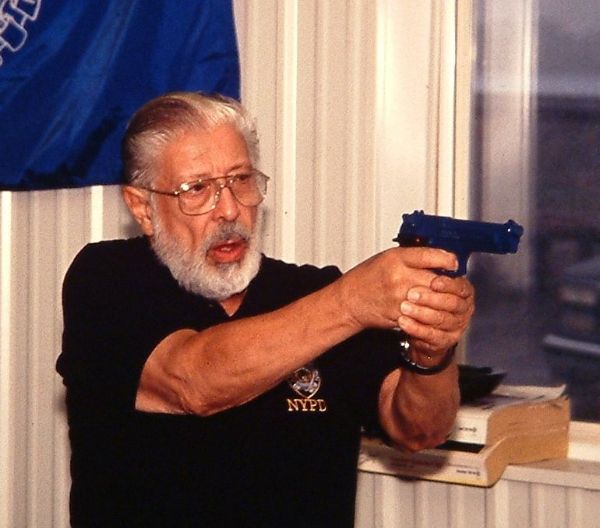
We’re all victims of our own experience. – Walt Rauch. A common bit of prattle has to do with selecting a firearms instructor. There are those who tell us this – ‘The only one who can teach you how to survive a gunfight has to have been in a gunfight.’
This tired trope pops up in gun shops, online forums, and even some training circles like a bad echo from action movies, but let’s dissect it with the cold precision of a gunsmith’s file. Sure, real-world gunfight survivors like Massad Ayoob or the late Paul Howe bring battle-tested stories that grip you tighter than a 1911’s beavertail—lessons forged in the chaos of actual lead flying. Their scars aren’t just anecdotes; they’re data points on adrenaline dumps, tunnel vision, and the brutal math of cover versus concealment. Yet insisting on this as a prerequisite is like saying only crash survivors can teach you to drive safely. It ignores the vast arsenal of skills taught by instructors who’ve mastered biomechanics, ballistics, and psychology through thousands of dry-fire reps and live-fire drills. Think of it: aviation trains pilots in simulators mimicking every crash scenario without wishing for real wrecks, and elite military units drill endlessly before boots hit hot sand. In the 2A world, where most defensive gun uses are split-second decisions sans Hollywood drama, the survivor’s edge is valuable but not the golden ticket—it’s the structured methodology that turns civilians into capable defenders.
For the 2A community, this myth has real stakes, especially as anti-gun narratives paint training as a gateway to vigilantism. It discourages newcomers who can’t access proven vets, inflating costs and gatekeeping a skill set that’s a constitutional right. The implication? Prioritize instructors certified by bodies like the NRA, USPSA, or IDPA, who emphasize fundamentals: sight alignment, trigger control, malfunction clears, and mindset drills that simulate stress without the body count. Pair that with survivor tales via books or vids from warriors like Kyle Lamb or Larry Vickers for inspiration, not dogma. Ultimately, Rauch nails it—we’re shaped by experience, but smart training amplifies yours without demanding you bleed first. Vet your instructor by their syllabus and student outcomes, not their war stories, and you’ll build the resilience that keeps the Second Amendment alive in the real world.


