
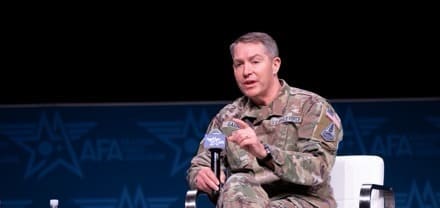
Leaders from the U.S. Space Force’s Combat Forces Command (CFC) didn’t mince words at the Air and Space Forces Association’s Warfare Symposium in Aurora, Colorado, from February 23-25, 2026. They hailed their Guardians—Space Force’s frontline warriors—for embodying a carnivore mindset, signaling raw, predatory combat readiness that’s propelling the branch into uncharted orbital battlefields. This isn’t fluffy Pentagon jargon; it’s a deliberate flex on the need for elite forces who hunt threats like apex predators, from satellite-jamming adversaries to hypersonic missile swarms. In a era where China and Russia are aggressively weaponizing space, CFC’s rhetoric underscores a shift from bureaucratic space cowboys to hardened combatants primed for multi-domain warfare.
For the 2A community, this carnivore ethos resonates like a thunderclap. It’s the civilian parallel to the armed citizen’s unyielding vigilance: just as Guardians train to neutralize existential threats from above, law-abiding gun owners embody that same primal readiness on the ground, safeguarding hearth and homeland against chaos. The implications are profound—Space Force’s combat pivot validates the Second Amendment’s core logic that free societies thrive when their defenders, military or militia-minded, reject herbivore passivity for carnivorous resolve. As federal forces evolve to counter peer threats, expect this mindset to amplify pro-2A narratives: a well-regulated militia isn’t obsolete; it’s the terrestrial echo of CFC’s orbital hunters, ensuring America’s total-spectrum dominance.
This story isn’t just space news—it’s a blueprint for resilience. With Guardians touting momentum in panels packed with warfighting insights, it spotlights how elite training and mental ferocity deter aggression. 2A patriots, take note: channel that carnivore drive at the range, in the voting booth, and beyond. When the stars align for conflict, it’s the predators who prevail.


