

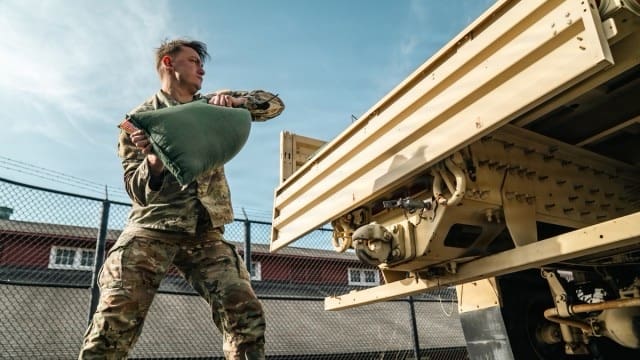
The U.S. Army’s announcement of the new Combat Field Test (CFT) isn’t just another fitness tweak—it’s a bold recalibration of what it means to be combat-ready in an era of peer-level threats like China and Russia. Ditching outdated sit-ups and endless runs, the CFT integrates battle-mimicking drills: ruck marches under load, obstacle courses with simulated enemy contact, and strength tests that echo the chaos of urban firefights or prolonged patrols. This shift acknowledges that modern warfare demands functional warriors who can haul gear, breach doors, and sustain fire under fatigue—not gym bros chasing max bench presses. Army brass are spot-on; data from recent conflicts shows metabolic conditioning and grip strength correlate directly with battlefield survival, per studies from the Army Research Institute.
For the 2A community, this is a masterclass in why civilian fitness standards must evolve too. If the military—our ultimate benchmark for lethality—is pivoting to real-world combat prep, why are so many range warriors still treating training like a cardio bunny hop? The CFT’s emphasis on loaded carries and explosive movements mirrors the demands of defending hearth and home: think shouldering a 40-pound AR-15 rig while navigating uneven terrain or barricades. It’s a wake-up call—grab a plate carrier, hit the trails with your battle rifle, and train like the feds now expect their grunts to. This isn’t about conscription; it’s pro-2A gold, reinforcing that an armed populace thrives when physically primed for the fight Uncle Sam knows is coming.
Implications ripple outward: expect spillover into civilian sectors like law enforcement and private security, potentially normalizing tactical fitness certifications that 2A enthusiasts can leverage for cred. Politically, it undercuts anti-gun narratives by highlighting institutional investment in armed readiness, not disarmament. Stock up on kettlebells, patriots—the Army just handed us their playbook for staying frosty.


