
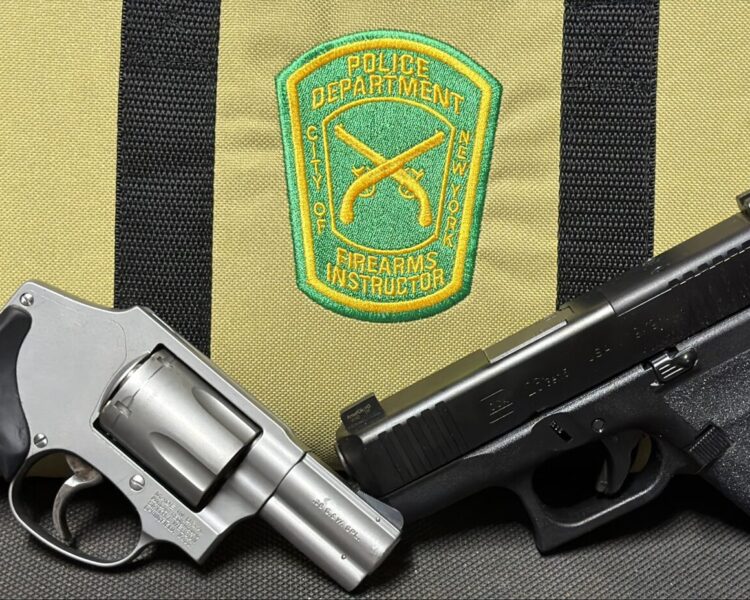
In the high-stakes world of defensive carry, where split seconds can mean life or death, the New York Reload—that classic tactic of simply drawing a pre-loaded backup gun instead of fumbling with a fresh magazine—has long been a whispered legend among pros. The source nails it: whether it’s truly faster than a tactical reload hinges on your training chops and carry setup. A novice fumbling ankle-deep in a boot holster? Yeah, reloading your primary Glock 19 might edge it out. But for the practiced carrier with a pocketed S&W J-frame or a shoulder-rigged 1911, it’s lightning-quick insurance against slide-lock Murphy’s Law. This isn’t just nostalgia for old-school mobsters or NYPD legends; it’s a brutal reminder that one-gun reliance is a gamble in a multi-threat world.
Diving deeper, the evolution of my own backup gun journey mirrors this truth—from ditching bulky speedloaders for slimmer revolvers like the Ruger LCR, to embracing micro-9s such as the Sig P365 as deep-conceal primaries with a snubbie shadow. Context matters: urban environments with legal mag limits (hello, New York and California) amplify the reload’s pitfalls, turning a 10-round primary into a liability mid-fight. Stats from Force Science Institute studies back this—skilled shooters average 1.5-2 seconds for a mag change under stress, but threats don’t pause. Implications for the 2A community? In an era of ATF overreach and carry bans eroding nationwide reciprocity, mandating a BUG isn’t optional; it’s evolution. It forces skill-building, redundancy, and defiance of one is none complacency, empowering everyday defenders against disarmament agendas.
Bottom line: don’t waver. Train both skills relentlessly—dry-fire reloads versus draw strokes—at the range, then carry that second gun like your first life depends on it. Because in the real world, it just might. The New York Reload isn’t a relic; it’s your unfair advantage in a stacked deck. What’s your BUG setup? Drop it in the comments—we’re all in this fight together.


