
In the shadowy world of tactical gear where every lumen counts, the ANSI/PLATO FL-1 Standard emerges as a beacon of truth amid flashlight marketing hype. Born from a collaboration between the American National Standards Institute (ANSI), the National Electrical Manufacturers Association (NEMA), and flashlight makers under the PLATO umbrella, this standard—first rolled out in 2009 and refined over the years—cuts through the BS with rigorous testing protocols. It mandates clear reporting on key metrics: output in lumens (total light emitted), runtime until output drops to 10% of initial brightness, peak beam distance (calculated from candela), peak beam intensity in candela, and even impact resistance after drops from six feet. No more 1,000,000 lumen claims from fly-by-night brands without the lab-backed proof; now, reputable makers like SureFire, Streamlight, and Fenix proudly slap FL-1 icons on their packaging, letting buyers compare apples to tactical oranges.
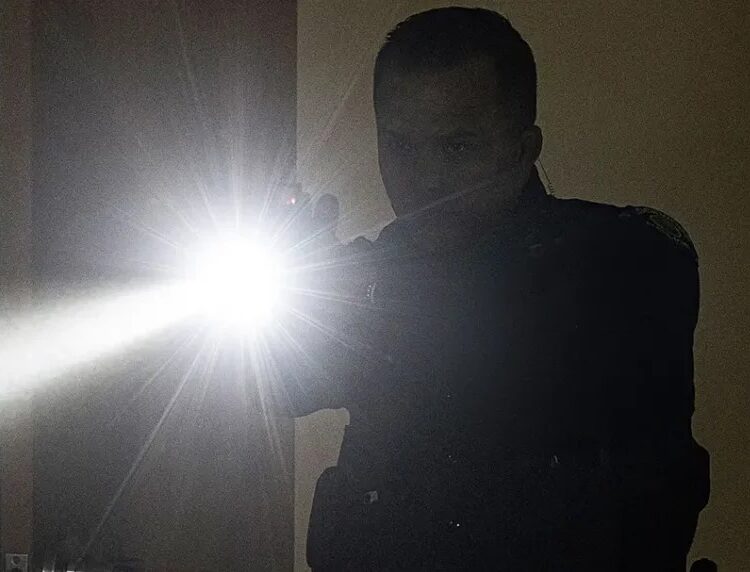
For the 2A community, this isn’t just nerdy specs—it’s a game-changer for low-light defense scenarios where your light is your first line of weapon-mounted identification. Imagine drawing your EDC pistol in a midnight home invasion: a standardized 1,000-lumen rating with 200-meter throw and 1.5-hour runtime means you know exactly how far that beam will punch through darkness to disorient a threat or confirm friendlies, without the guesswork of inflated ads. We’ve seen too many tactical lights fail under duress—cracking on concrete or dimming after 30 seconds—costing precious seconds in a fight. FL-1 compliance builds trust in your kit, much like SAAMI specs for ammo reliability, empowering concealed carriers to spec out lights for holsters like the Streamlight TLR-1 (1,000 lumens, 12,750 candela, IPX7 waterproof) that pair seamlessly with Glocks or 1911s. It’s pro-2A pragmatism: demanding empirical data so your gear performs when rights are on the line.
The implications ripple outward—manufacturers chasing FL-1 certification elevate the entire market, weeding out junk that could fail you at the range or worse. As budget-conscious patriots stock up for SHTF kits, this standard arms us with knowledge to avoid overpaying for vaporware, fostering innovation like rechargeable USB-C beasts from Olight or Acebeam that hit 100,000+ lumens legitimately. Next time you’re gearing up, scan for that FL-1 oval; it’s your assurance that the light won’t let you down when the grid flickers out and shadows turn hostile. Shine on, Second Amendment style.


