
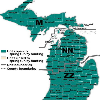
Michigan’s spring turkey season is gearing up for a big shift as it kicks off on April 18, 2026, but hunters better mark their calendars not just for the gobblers—now there’s a hard 72-hour window to report any harvest to the Department of Natural Resources (DNR). This isn’t some optional checkbox; it’s mandatory, complete with streamlined management units slashed from 14 down to just three for simpler oversight. They’re also tossing in expanded youth hunts for kids 10-16, which sounds like a smart play to hook the next generation on the woods early. But let’s peel back the feathers: this reporting mandate smells like the DNR’s latest tech-savvy leash on tracking harvests in real-time, potentially feeding data into broader wildlife models or even enforcement algorithms that could justify future bag limits or license hikes if numbers dip.
For the 2A community, this is more than bird season—it’s a frontline skirmish in the creeping normalization of government-mandated tracking for every trigger pull in the field. Turkey hunting demands shotguns, often with the kind of semi-auto reliability that mirrors our defensive carry pieces, and now every successful hunt gets logged in the state’s system within days. We’ve seen this playbook before: start with conservation, end with databases that anti-gunners could mine for ammo sales patterns or rural gun ownership stats. The youth expansion is a silver lining, breeding future defenders of the Second Amendment who’ll grow up slinging 12-gauge ethically, but it underscores the urgency—teach ’em young before bureaucrats turn reporting into a gateway for broader firearm registries. Pro-2A hunters, this is your cue to comply smartly, document everything, and push back at public hearings to keep the gobbler hunt free from overreach.
The implications ripple wider: with units consolidated, population pressures in high-density areas like southern Michigan could spike enforcement, meaning more DNR boots on the ground during prime season. Stock up on non-toxic shot, dial in those calls, and use apps like onX for those new boundaries—but stay vigilant. This isn’t just about tags; it’s a test case for how Second Amendment lifestyles get surveilled under the guise of sustainability. Get out there, harvest responsibly, report on time, and vote with your wallet for orgs fighting these encroachments. Spring thunder is calling—answer it armed and aware.


