
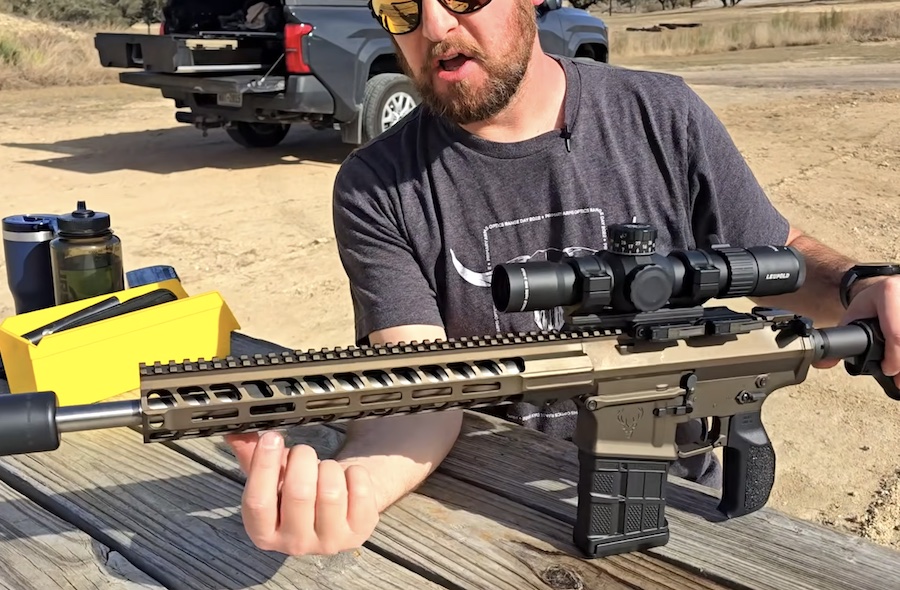
When you’re running a suppressor on your AR-15, dialing in the perfect gas block adjustment isn’t just tinkering—it’s the difference between a buttery-smooth cycling rifle and a finicky paperweight that leaves you racking the bolt mid-drill. The goal, as this spot-on Silencer 101 guide nails it, is the minimum reliable gas setting: just enough gas to reliably cycle the action, but no excess. Why? Suppressors trap and slow those hot gases, spiking backpressure that can turn your reliable 5.56 setup into an overgassed beast—think flattened brass, excessive recoil, and accelerated wear on your bolt carrier group. By tweaking an adjustable gas block (like a Superlative Arms or Wojtek), you’re mitigating that, extending suppressor life, and reclaiming control over your rifle’s temperament. It’s low-tech wizardry: start fully closed, fire single shots, and creep open until ejection is consistent at 3-4 o’clock, then lock it in.
This isn’t mere maintenance; it’s a pro-2A power move in an era where anti-gunners demonize suppressors as silencer boogeymen straight out of Hollywood. Mastering gas tuning empowers you to shoot suppressed longer, quieter, and more accurately—countering the narrative that NFA items are impractical toys for criminals. Implications for the community? It democratizes high-end performance: no need for pricey proprietary cans or tunable muzzle devices when a $100 adjustable block transforms your budget build into a precision tool. Pair it with quality ammo (avoid steel-cased junk that gums up the works), and you’re not just compliant—you’re optimized, proving why the Hearing Protection Act needs to bury the $200 tax stamp for good. Next range day, grab your armorer’s wrench; your rifle (and ears) will thank you.
For the 2A faithful, this tweak underscores self-reliance: regulators can drag their feet on reform, but you can engineer reliability today. Experiment safely—overgassing risks carrier tilt and failures, while undergassing strands you in a fight. Resources like Pew Pew Tactical or SilencerCo’s forums are goldmines for fine-tuning specifics by barrel length and host. Bottom line: tuned gas means more rounds downrange, less fatigue, and a louder voice for suppressor freedom. Who’s ready to bleed off that excess?


