
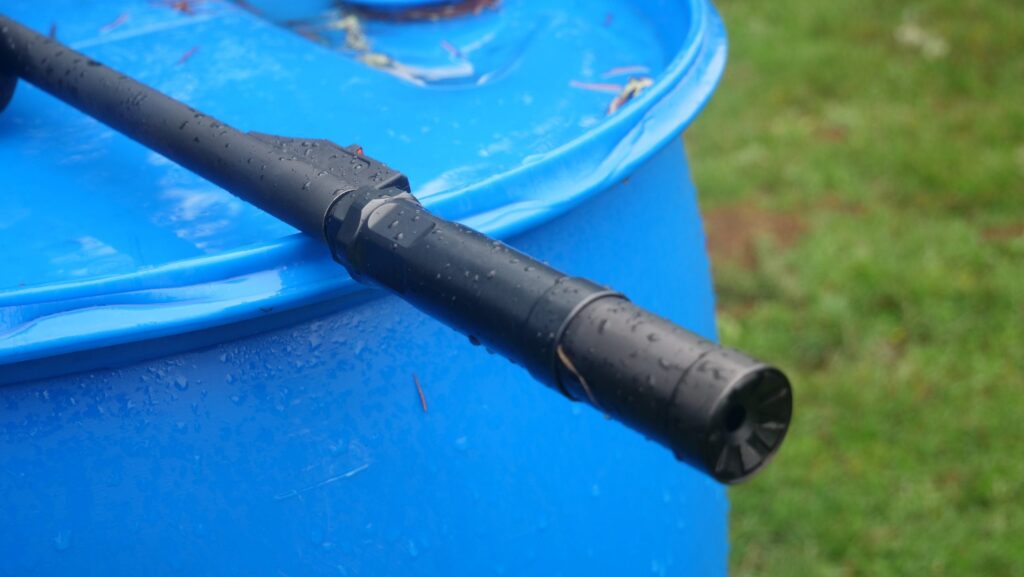
# Should You Buy A Modular Suppressor? Breaking Down the Debate for Savvy Shooters
In the ever-evolving world of suppressors—those hearing-saving, neighbor-friendly tubes of titanium and Inconel—the modular design is stealing the spotlight. The source text dives into the classic divide: one camp swears by dedicated, single-caliber cans for peak performance (think unbeatable sound suppression and minimal first-round pop on your .300 BLK rig), while the other champions modularity for its Swiss Army knife versatility. Quick-swap baffles and end caps let you reconfigure from 5.56 NATO duty to .308 hunting loads without a safe full of specialized suppressors. Brands like Dead Air’s Sandman series or SilencerCo’s Omega lineup exemplify this, blending modularity with ruggedness that survives full-auto abuse. But here’s the rub: modularity often trades a smidge of suppression efficiency for adaptability—real-world dB tests show dedicated cans edging out by 2-5 dB, per independent labs like PEW Science. For the 2A enthusiast, this isn’t just gear porn; it’s a strategic play in a post-ATF rule 2021 landscape where Form 4 waits have shrunk to months, making multi-caliber ownership more feasible than ever.
Zooming out, the implications for our community are huge. Modular suppressors democratize quiet shooting, letting budget-conscious patriots cover pistols, rifles, and even subguns with one $1,000-1,500 investment—versus $800+ per dedicated unit. In a world of increasing range bans on unsuppressed fire (hello, California and New York), they’re a force multiplier for training without tinnitus or HOA complaints. Critics whine about added weight (up to 18 oz configured long) or complexity in the field, but data from suppressor forums and MIL/LE feedback debunks that: modulars like the Rugged Surge hold zero better than fixed models under recoil stress. Pro-2A angle? As NFA item stigma fades—thanks to the Hearing Protection Act’s lingering momentum—these bad boys empower responsible ownership, proving suppressors are tools for precision, not Hollywood silencers. If you’re building an SBR or PCC collection, skip the monolith mindset; modularity future-proofs your kit against caliber hopping or regulatory curveballs.
Bottom line: Buy modular if versatility is your jam (urban carbine to backwoods deer rifle), but stick dedicated for absolute sonic perfection on one host. Test both at your local dealer—your ears (and wallet) will thank you. What’s your take, shooters? Drop it in the comments. Stay legal, stay loud (quietly). 🇺🇸🔫


