
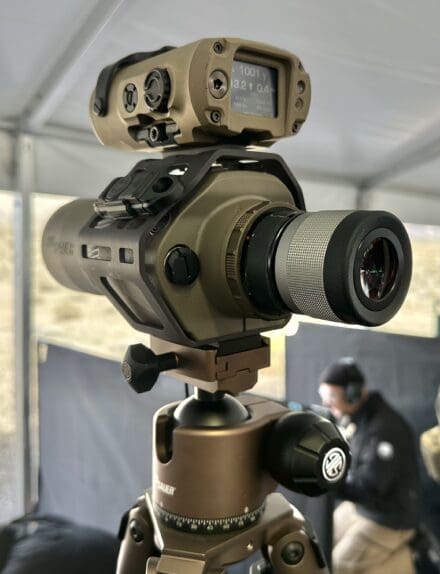
SIG SAUER just dropped a game-changer at SHOT Show 2026’s Defense Range Day: the OSCAR6 HDX PRO Spotting Scope now sporting a built-in Mil Reticle. This isn’t some gimmicky add-on; it’s a precision-engineered upgrade to an already beastly optic, blending the OSCAR6’s 30-180x magnification, HDX glass for crystal-clear edge-to-edge clarity, and rugged magnesium housing with a MIL-based reticle etched right into the glass. For those long-range spotters who’ve been jury-rigging Kestrel apps or external rangefinders, this integrates holdover calculations, ranging, and wind calls directly into your eyepiece—no more fumbling with apps under pressure. SIG’s move screams tactical evolution, turning a civilian favorite into a spotter’s scalpel for ELR (Extreme Long Range) sessions.
In the broader 2A context, this lands like a .338 Lapua mag at 1,500 yards—perfect timing amid rising interest in precision shooting sports and defensive training. Mil reticles have long been the domain of high-end military scopes, but SIG democratizing it for the OSCAR6 means everyday shooters, hunters, and PRS competitors get pro-grade tools without the $5K+ price tag of boutique glass. Implications? Expect this to supercharge range days, where spotters can now hash out precise dope on the fly, fostering better marksmanship across the community. It’s a subtle nod to self-reliance too—pair it with your AR or bolt gun, and you’re not just spotting; you’re mastering the shot. SIG’s pushing boundaries, reminding us that 2A innovation thrives when optics keep pace with modern ballistics.
Bottom line: If you’re serious about stretching lead beyond 1,000 yards, the Mil-reticle OSCAR6 is your next grab. It bridges the gap between recreational plinking and tactical proficiency, empowering the 2A lifestyle with tech that punches above its weight. Keep an eye on SIG’s booth; this could redefine spotting scopes for the next decade.


