
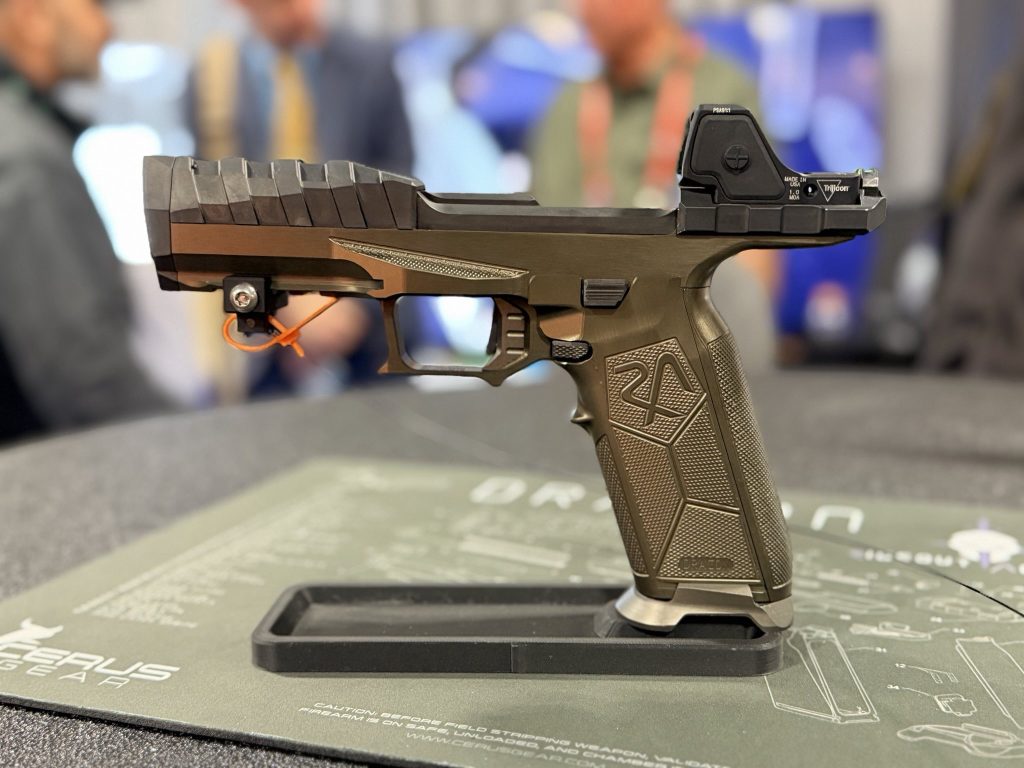
Imagine a 9mm pistol that doesn’t just compete with the best—it slays the sacred cows of handgun ergonomics. At SHOT 2026, Rideout Arsenal unveiled the Dragon, a semi-auto striker-fired beast with a bore axis plunged to a jaw-dropping -3.3mm below the grip spur. That’s not a typo or a Glock fan’s fever dream; it’s real engineering wizardry that positions the barrel literally underneath the hand’s natural support point. In a market flooded with iterative Glock clones and modular 2011s, the Dragon doesn’t iterate—it innovates, borrowing from the low-bore-axis playbook of Staccato and Tanfoglio while pushing the envelope further with a radical grip design that feels like it was sculpted by a gunsmith who actually shoots competitively.
Why does this matter? Bore axis is the silent killer of recoil control, and the Dragon’s negative offset means muzzle flip becomes a myth. Traditional pistols force your wrist to fight leverage; this one aligns the recoil impulse straight back into your forearm, turning rapid follow-ups into laser-guided poetry. For the 2A community, it’s a game-changer: concealed carriers get a flatter-shooting EDC that conceals like a pocket knife, USPSA shooters snag an edge in Production division without breaking the bank, and home defenders wield split-second accuracy under stress. Rideout Arsenal isn’t just building guns; they’re arming the future of American firepower, proving that true innovation thrives when engineers prioritize physics over tradition.
The implications ripple outward. As anti-gun hysterics push mag bans and assault weapon red tape, designs like the Dragon remind us why the Second Amendment endures—private enterprise unleashing American ingenuity to outpace threats. Expect copycats by 2027, but Rideout’s first-mover status could redefine the striker-fired segment, much like the Glock 17 did in the ’80s. If you’re a serious shooter, mark your calendar: the Dragon isn’t hype; it’s the next evolution in the endless pursuit of perfection. Who’s ready to ride?


