
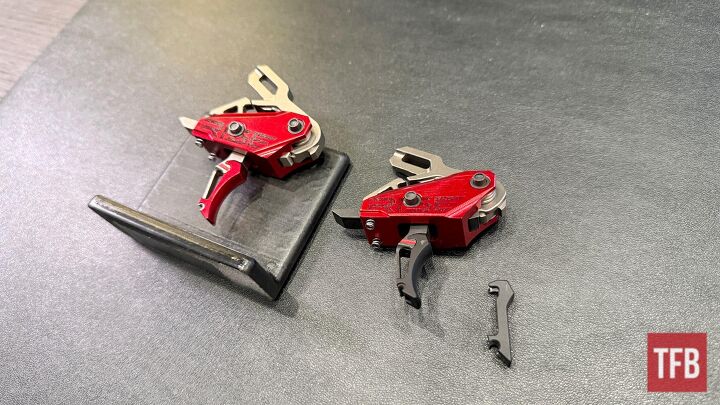
Imagine dropping a trigger into your mil-spec AR lower and having it click into place like a well-oiled Lego brick—no punches, no pins skittering across the floor, no cursing at a stubborn detent. That’s the promise of RISE Triggers’ Rev 535, unveiled at SHOT Show 2026, with its ingenious Slide-and-Snap system that installs the entire trigger group in under 60 seconds. We’re talking a complete drop-in that sidesteps the ritualistic disassembly of grip, safety selector, and trigger pins that has frustrated builders since the AR’s inception. RISE didn’t just tweak the formula; they reengineered the mounting interface to hug the lower’s geometry with precision-engineered rails and locking tabs, making it as foolproof as snapping on a Magpul grip.
This isn’t mere convenience—it’s a seismic shift for the 2A community, democratizing high-performance triggers for everyone from first-time home armorers to high-volume shops churning out custom rifles. Traditional drop-ins like Geissele or Timney still demand tools and finesse, often turning a quick swap into a 30-minute ordeal. The Rev 535 obliterates that barrier, potentially slashing build times and costs in an era of ATF scrutiny and parts shortages. For casual shooters, it means more time at the range and less in the garage; for pros, it’s scalability that could flood the market with finely tuned ARs boasting the Rev 535’s crisp 3.5-4.5 lb pull and zero creep. Critics might scoff at gimmicks, but history favors innovators—think how ambi safeties and QD slings redefined standards. RISE is betting big on simplicity fueling adoption, and if it delivers on reliability under fire, expect this to be the trigger that arms the next generation of patriots.
The implications ripple outward: lower entry barriers mean more customized, reliable defensive tools in civilian hands, bolstering the case against assault weapon bans by highlighting responsible innovation. Pair this with modular lowers and it’s a builder’s dream ecosystem. Keep an eye on RISE; if the Rev 535 holds up to abuse (and early buzz suggests it does), it could redefine what mil-spec compatible truly means in 2026 and beyond. Who’s ready to snap one in?


