
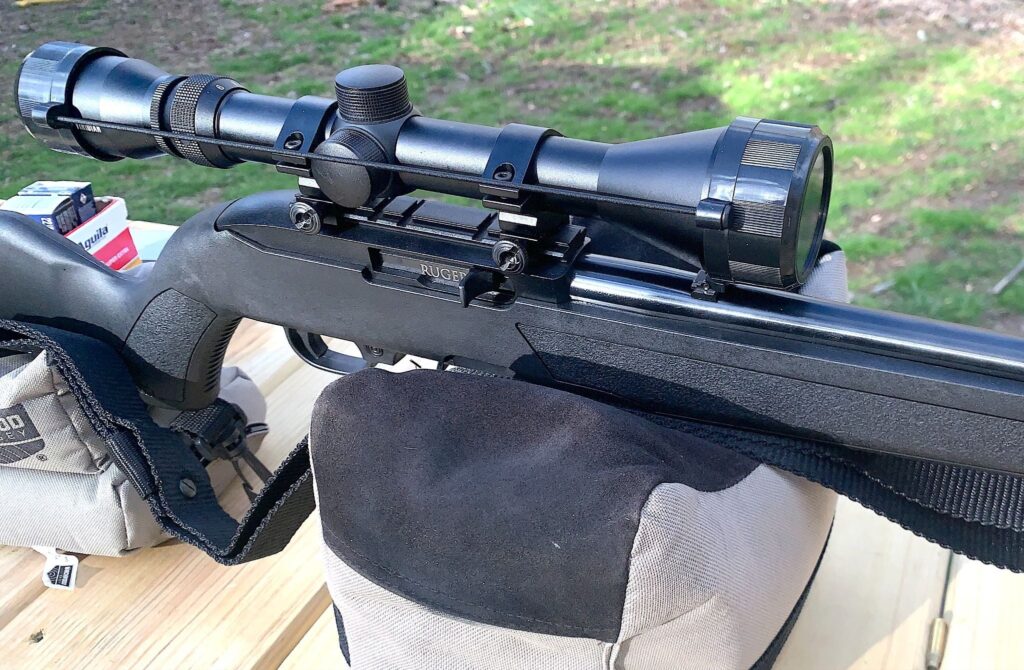
Ruger just dropped what they’re calling a new 10/22, but let’s be real—this isn’t a full redesign; it’s a smart evolution of the rimfire king that’s been crushing it since 1964. The updates hit the sweet spot: a redesigned receiver with improved modularity for easier stock swaps and rail mounting, a cold hammer-forged barrel that’s slimmer yet more rigid for tighter groups, and a trigger that’s finally shed some of that gritty two-stage feel without compromising safety. Hands-on range time shows sub-MOA potential at 50 yards with CCI Mini-Mags, and the lighter recoil impulse makes it a dream for plinking, training new shooters, or even small-game hunting. Ruger’s not reinventing the wheel; they’re just making the best even better, proving why this platform has sold over 7 million units and spawned endless aftermarket empires.
For the 2A community, this refresh screams affordability and accessibility in a post-brace-ban, high-regulation world. At around $300 street price, it’s the ultimate gateway gun—compact, customizable, and chambered in .22LR ammo that’s cheaper than therapy. Critics might whine about it being just a facelift, but that’s missing the point: Ruger’s betting on reliability over flash, ensuring the 10/22 remains the people’s rifle amid ATF overreach and supply chain headaches. Implications? It bolsters the case for semi-auto rimfires as training tools that build skills without breaking the bank, indirectly defending centerfire rights by normalizing ownership. If you’re not running a 10/22 build yet, this new version is your excuse to join the club—grab one, slap on a red dot, and remind everyone why Ruger owns the rimfire roost.
Bottom line: In an era where innovation often means gimmicks, Ruger’s tweaks reinforce the 10/22’s dominance as the everyman’s AR-15 analog. It’s a subtle flex against anti-gun narratives, showing how free-market tweaks keep classics relevant and rights intact. Range report? Flawless. Your move, competition.


