
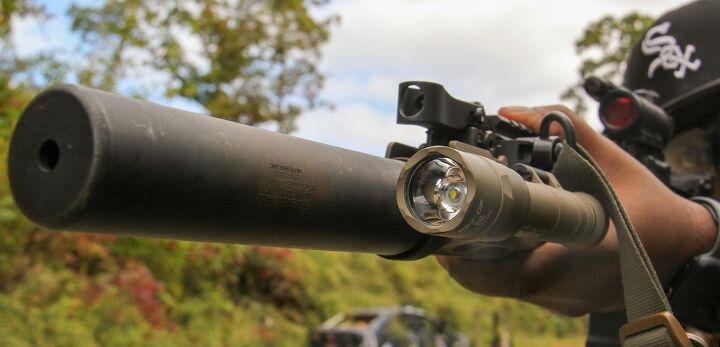
Revival Defense just dropped a game-changer for the suppressor game with their new Silencer Resource Center—a free, no-BS compatibility tool that’s live as of March 21, 2026, and accessible to both dealers and everyday shooters. Forget the old days of digging through fragmented forums, squinting at manufacturer charts, or crossing your fingers on a blind purchase; this data-driven platform cross-references suppressors, muzzle devices, and mounting adapters in one slick interface. It’s like having a digital armorer’s bench in your pocket, pulling real-world specs to ensure your build mates up perfectly without the guesswork or costly mismatches.
In the broader 2A landscape, this launch is a masterstroke against the NFA’s bureaucratic drag. Suppressors remain shackled by the $200 tax stamp and endless ATF wait times, yet Revival’s tool democratizes the tech side, empowering users to optimize their setups pre-approval. For dealers, it’s a sales accelerator—fewer returns, faster custom orders—while for enthusiasts, it slashes barriers to entry in a market exploding with direct-thread, quick-detach, and hybrid cans. Think about it: as states like Texas and Florida keep greenlighting suppressor ownership, tools like this fuel adoption, turning nice-to-have quiet tech into mainstream must-haves. Revival isn’t just curating data; they’re arming the community with precision intel that could shave hours off R&D and boost build confidence amid rising Form 4 backlogs.
The implications ripple outward—expect ripple effects on innovation, as manufacturers now face pressure to standardize data feeds for seamless integration. For the pro-2A crowd, it’s a subtle win in the info war: free access levels the playing field against big-box retailers with proprietary software, fostering a more decentralized, shooter-led ecosystem. If you’re threading a can on your next AR or precision rifle, hit up Revival’s site first. This isn’t hype; it’s the kind of practical evolution that keeps the Second Amendment ecosystem thriving.


