
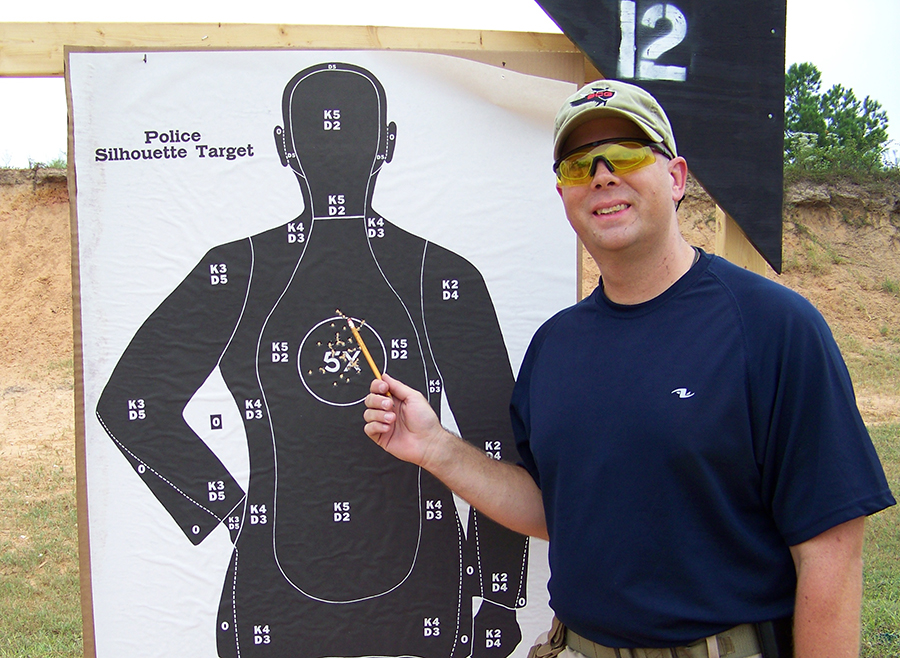
The lesson I learned that day was that consistent performance isn’t always rewarded, at least on paper.
Picture this: you’re at the range, methodically punching tight groups into a target from 25 yards, every shot a testament to your dry-fire drills, grip tweaks, and trigger discipline. But then the scorer—armed with a shot timer and a clipboard—looks at your plate rack results. You cleared it in record time, spreading your rounds across the steel like a Jackson Pollock painting, yet your score tanks because those hits weren’t clustered in some mythical 2-inch circle. That’s the gut-punch reality check from that fateful match day, where precision porn on paper trumped real-world speed and hits. It’s a classic trap in the competitive shooting world, where stages reward surgical accuracy over the chaotic spray-and-pray of actual defensive scenarios.
As a pro-2A analyst, I see this as a microcosm of the broader gun grabber narrative: they obsess over perfect groupings in sterile lab tests to demonize everyday carry guns, ignoring how lives are saved by fast, effective hits under stress. Think FBI data on officer-involved shootings—most occur within 10 feet, with groups spanning feet, not inches, yet the outcome is survival, not a bullseye trophy. For the 2A community, the implication is clear: train for the fight, not the scorecard. Ditch the paper-target fetish; incorporate bill drills, El Prez, and failure-to-stop evolutions that mimic adrenalized encounters. Spread those rounds if it means you neutralize the threat first—because in a home invasion or street mugging, consistent hits on flesh beat clustered misses every time. This lesson isn’t just about shooting better; it’s a rallying cry to prioritize practical proficiency over performative perfection, fortifying our rights with skills that actually work.


