
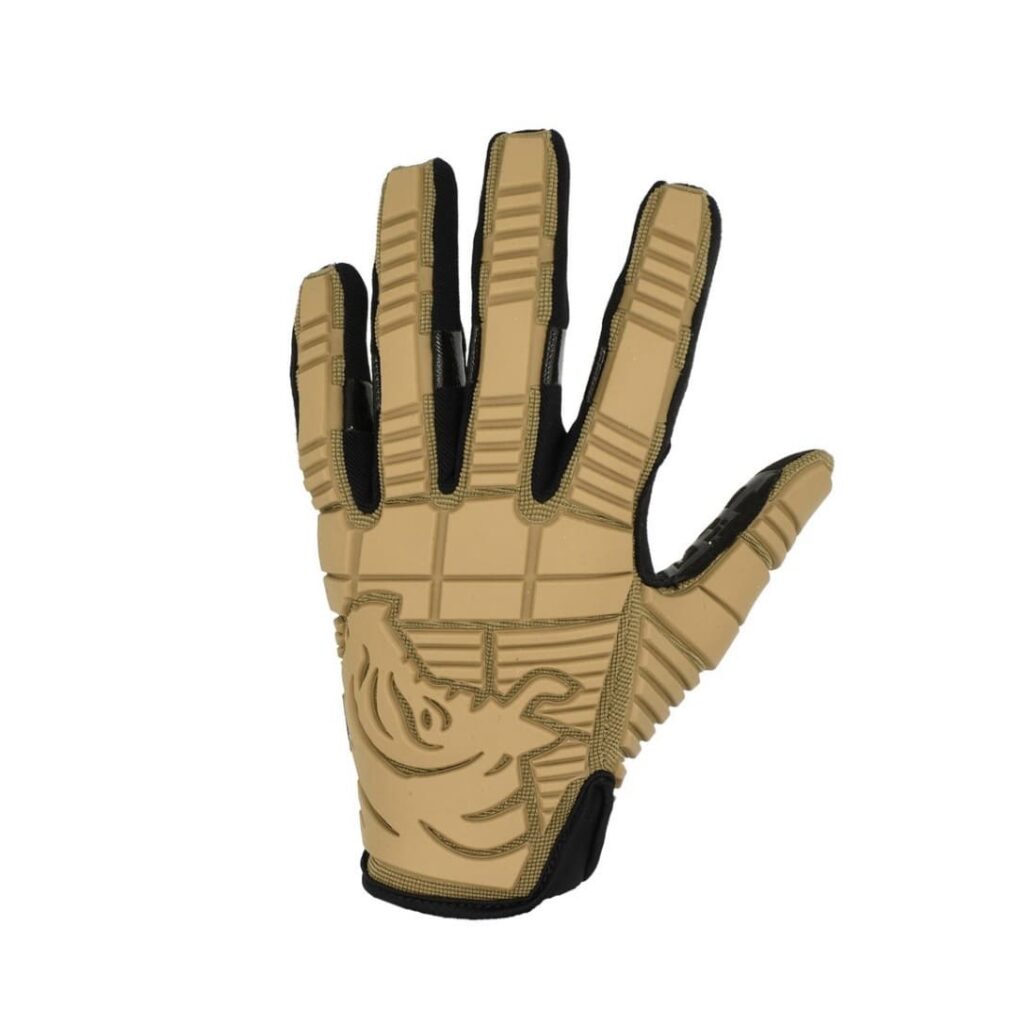
Patrol Incident Gear (PIG) just dropped a game-changer for force-on-force training enthusiasts: the PIG (FDT) OPFOR Glove, purpose-built for marking cartridge drills. These aren’t your average training mitts—they pack precision-molded TRP pads that absorb impacts like a boss, shielding your hands from the nasty sim-round burns, splits, and bruises that come with high-stakes scenarios. Whether you’re running OPFOR in a weekend CQB course or dialing in tactics at a private range day, this glove bridges the gap between bare-knuckle vulnerability and bulky overkill, letting you focus on winning the fight instead of nursing wounds.
What makes this launch a big deal for the 2A community? Training realism is the lifeblood of responsible gun ownership, and too many setups force a trade-off: either go light and risk injury, or suit up like a marshmallow and lose that edge-of-danger feel that sharpens real-world skills. PIG’s FDT (Full Dexterity Tactical) lineage already dominates with gloves that prioritize grip, trigger access, and mobility—think flawless draws on your carry G19 or AR-15 without slippage. The OPFOR variant amps this up for adversary roles in airsoft-style marking ops, implying broader adoption in mil/LEO crossover training that’s trickling down to civilians. It’s a subtle nod to the growing force-on-force meta, where red-gun drills evolve into full-contact sims that mimic the chaos of a home defense SHTF moment.
Bottom line: if you’re serious about 2A proficiency beyond static range plinking, snag these gloves and level up your squad’s training fidelity. At a price point that’s pure PIG value (typically sub-$40 based on their lineup), they’re an easy add to your kit bag, pushing the envelope on safe, immersive prep that keeps the shall not be infringed ethos battle-tested. Expect these to fly off shelves as training groups standardize—your hands (and tactics) will thank you.


