
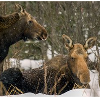
Michigan’s Upper Peninsula moose population is stuck in neutral at around 300 animals, prompting a collaborative moose hunt—not with rifles, but with collars and science. The Michigan DNR, Keweenaw Bay Indian Community, and Northern Michigan University are gearing up for a second round of captures, aiming to tag up to 43 moose to probe culprits like disease, predation, vehicle strikes, and those bloodsucking winter ticks. It’s a high-tech wildlife detective story, with GPS collars tracking movements and health metrics to decode why these massive browsers aren’t booming like their cousins in Minnesota or Ontario, where herds number in the tens of thousands.
For the 2A community, this isn’t just furry fauna drama—it’s a frontline snapshot of predator-prey dynamics in action. Predation tops the suspect list, and we’re talking wolves here, reintroduced and now thriving post their ’90s comeback, with packs prowling the UP’s forests. Hunters know the score: unchecked wolf numbers hammer ungulate populations, from moose to deer, turning trophy country into scarcity zones. Michigan’s strict wolf management—capped hunts, endless lawsuits from anti-hunting groups—means fewer tools for balance. Remember the 2013 wolf hunt debacle? Courts halted it mid-season, letting packs rebound. This moose study could arm pro-2A advocates with data: if collars confirm wolves as the primary moose-munchers, it’ll bolster calls for science-based predator control, echoing successes in states like Idaho where liberal wolf tags stabilized elk and moose.
The implications ripple wide. Stagnant moose mean fewer viewing opportunities, less ecotourism cash, and pressured deer herds as wolves shift targets. For hunters and 2A folks, it’s a rallying cry: robust wildlife management demands access to effective tools—centerfire rifles, not just good intentions. If this study spotlights predation overload, expect pushback from enviro-extremists, but solid telemetry data doesn’t lie. Stay tuned; those collars might just collar the real story, proving why Second Amendment rights extend to defending the wild from four-legged overpopulation.


