
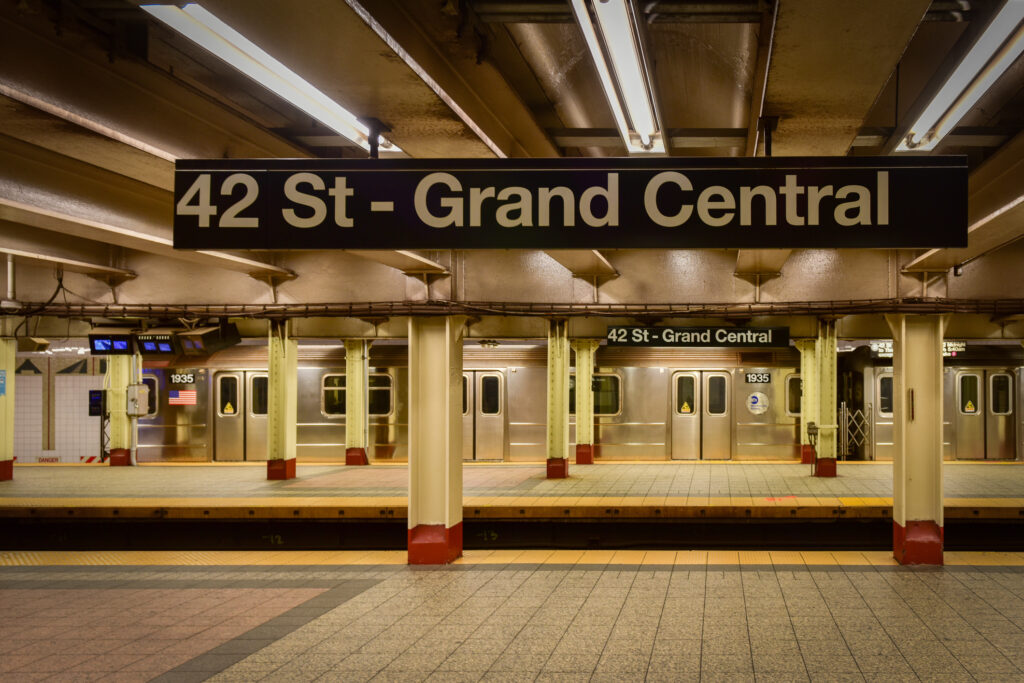
Imagine boarding a crowded New York City subway, the air thick with the usual mix of sweat, stale coffee, and tension, only to have a deranged attacker unleash a machete on innocent commuters. That’s the nightmare that unfolded at Grand Central Terminal, where a man hacked at riders with brutal precision, leaving blood and chaos in his wake. Anti-gun zealots love to tout sensitive places laws—those sweeping bans on carrying firearms in subways, schools, stadiums, and the like—as the ultimate shield against violence. But this machete rampage is a brutal reality check: when seconds count, disarmed victims are sitting ducks, while predators wield whatever weapon they please. No concealed carrier stepped up because New York’s draconian permitting and bans made it impossible, turning a transit hub into a kill zone.
This isn’t just another urban horror story; it’s exhibit A in the 2A community’s arsenal against the gun-grabbers’ flawed logic. Politicians like those in New York peddle the myth that banning guns from sensitive places magically secures them, ignoring that criminals don’t apply for permits or respect no-carry signs. Data from states like Florida and Texas, where constitutional carry thrives even in high-risk areas, shows permit holders stopping threats far more often than causing them—often without firing a shot. New York’s subway, by contrast, has seen a surge in slashings and stabbings amid its soft-on-crime policies, with the NYPD’s own stats revealing over 1,000 subway crimes last year alone. The Grand Central attack exposes the hypocrisy: elites jet to their armed-guarded events while forcing the working class into gun-free vulnerability.
For gun owners, this is a rallying cry. Share this story far and wide, tag your reps, and hammer home the truth—shall-issue reciprocity and permitless carry aren’t luxuries; they’re lifelines. As SCOTUS mulls Bruen’s ripple effects, cases like this underscore why sensitive places must be narrowly defined, not blanket prohibitions. The blood on that subway floor isn’t abstract; it’s the cost of surrender. Arm up, speak out, and let’s make every place a place where good people can defend themselves.


