
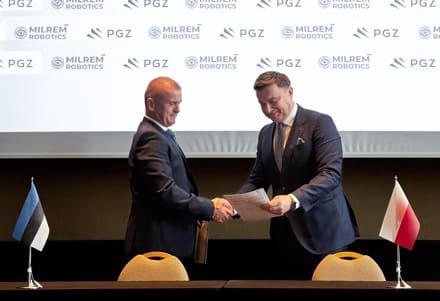
Milrem Robotics, the Estonian powerhouse behind cutting-edge unmanned ground vehicles like the THeMIS and Type-X platforms, just inked a Memorandum of Understanding with Poland’s Polska Grupa Zbrojeniowa (PGZ), the heavyweight defense conglomerate overseeing everything from tanks to artillery. This isn’t some feel-good photo-op; it’s a calculated move to fuse Milrem’s autonomous robotics expertise with PGZ’s industrial muscle, targeting joint development in uncrewed systems, AI-driven warfare tech, and supply chain synergies across Central and Eastern Europe. Announced amid rising tensions on NATO’s eastern flank, the MoU signals a push to localize production, reduce reliance on distant suppliers, and ramp up capabilities against hybrid threats from aggressors like Russia—think drone swarms scouting borders or autonomous mules hauling ammo in contested zones.
For the 2A community, this partnership underscores a pivotal shift: while we’re fighting tooth and nail to defend individual rights to bear arms in the U.S., Europe’s defense innovators are leapfrogging straight into the future of decentralized, tech-empowered lethality. Milrem’s systems aren’t just remote-controlled toys; they’re modular platforms that could integrate small arms fire, loitering munitions, or even anti-drone countermeasures, effectively arming robots with the kind of firepower Second Amendment advocates champion for civilians. The implications? As NATO bolsters its robot armies, it normalizes armed autonomy, potentially spilling tech into civilian markets—imagine AR-15-compatible drone kits or personal UGVs for ranchers and hunters. Yet, it also raises red flags: governments cozying up on these fronts might accelerate regulatory crackdowns on dual-use tech, mirroring how drone laws stifled hobbyist innovation. Pro-2A folks should watch closely; this Estonian-Polish axis could inspire homegrown American robotics, turning right to bear arms into right to bear bots if we play our cards right.
The real game-changer here is regional self-reliance. With PGZ’s vast manufacturing base and Milrem’s proven exports (over 100 UGV contracts worldwide), expect prototypes blending Polish ruggedness with Estonian smarts by 2025—perhaps counter-UAV swarms or expeditionary logistics bots that keep infantry lethal without risking lives. For gun owners and liberty defenders, it’s a reminder that 2A isn’t just about rifles; it’s about empowering the individual (or their proxy machine) against tyranny. As Europe arms up autonomously, U.S. innovators like Anduril or Ghost Robotics face stiffer competition, urging Congress to unleash domestic talent. Stay vigilant—this MoU isn’t just business; it’s the blueprint for warfare’s next frontier, where your right to self-defense might just go electric.


