

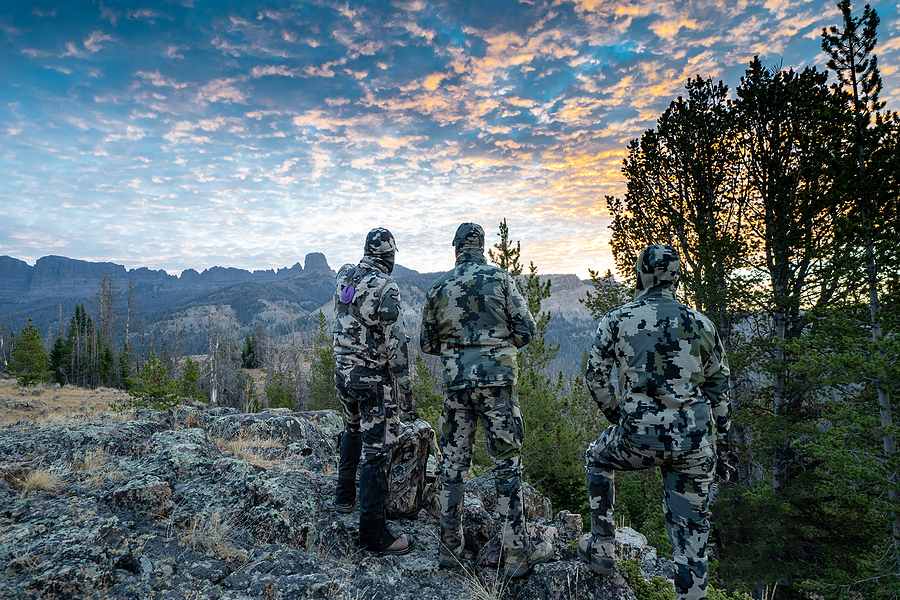
Imagine you’re a dedicated hunter from Texas, eyeing a prime elk tag in Colorado. You’ve got the skills, the gear, and the cash—but bam, the state slaps you with non-resident fees that can triple or quadruple what locals pay. It’s legal, sure; the Supreme Court has long upheld states’ rights to discriminate in licensing like this under the Privileges and Immunities Clause carve-outs for conservation. But as this sharp headline nails it, just because you *can* gouge out-of-staters doesn’t mean it’s smart. Wildlife agencies across the U.S. are hooked on non-resident license dollars—sometimes 50-70% of their hunting revenue—yet they’re treating these golden geese like piñatas. Systems that rely too heavily on a single group for funding, particularly one with limited political influence, are inherently fragile. They work until they don’t.
This isn’t just about bruised wallets; it’s a masterclass in shortsighted policy that ripples into the broader 2A ecosystem. Non-resident hunters aren’t just ATVs with checkbooks—they’re ambassadors for the hunting culture that underpins our Second Amendment heritage. When states like New Mexico or Montana jack up fees (looking at you, $800+ for some big-game tags), they don’t just deter participation; they erode the national coalition that fights for gun rights. Remember the 2020s ammo shortages and FOPA travel lawsuits? Hunters crossing state lines were ground zero, and alienated non-residents are less likely to rally when federal overreach threatens carry rights or suppressors. Data from the U.S. Fish and Wildlife Service shows non-residents pump $2.4 billion annually into conservation, funding Pittman-Robertson Act grants that benefit *all* shooters. Gouge them too hard, and participation drops—hello, Michigan’s 20% decline in out-of-state sales post-2018 hikes—starving the beast and inviting budget cuts that hit ranges and youth programs.
The 2A implication? This fragility exposes a vulnerability: if non-residents bail, agencies turn to general funds or, worse, anti-gun lawmakers promising alternatives like urban green initiatives. It’s a slow poison for the hunting tradition that birthed the NRA and sustains rural pro-2A strongholds. Smart states like Wyoming get it—they cap non-res fees at 200% of resident rates and market aggressively, reaping loyalty and revenue. The rest? They’re betting on a transient cash cow that could stampede. 2A advocates should push back: support hunter-friendly reforms, lobby for fee parity, and remind agencies that the right to arms includes the right to roam and hunt without predatory pricing. Fragile systems crumble—let’s build resilient ones before the out-of-staters vote with their boots.


