
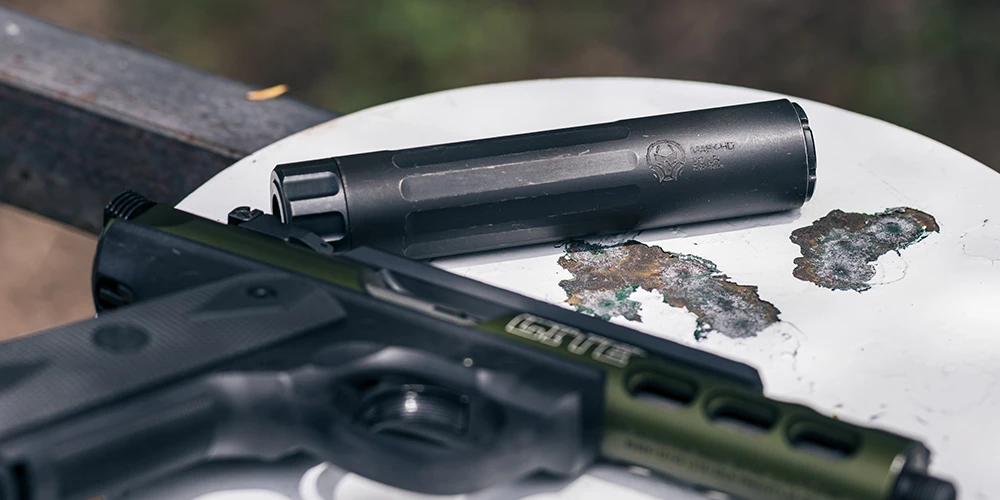
Not every firearm is suppressor-ready out of the box, and slapping a can on without checking could turn your range day into a pricey gunsmith visit—or worse, a kaboom. The source nails the essentials: start with barrel threads (standard 1/2×28 for 5.56/.223, 5/8×24 for .30 cal—mismatched ones mean no-go without adapters or re-threading). Gas systems matter too; over-gassed ARs like mid-length on a 10.5 barrel can hammer your bolt carrier group into oblivion under suppressed backpressure, spiking wear and cycling issues. Direct impingement setups fare better with adjustable gas blocks, while piston guns often shrug it off. Mounts? Quick-detach like Surefire SOCOM or Huxwrx Flow are forgiving, but fixed-thread cans demand perfection to avoid baffle strikes.
For the 2A community, this isn’t just tech trivia—it’s empowerment in a post-NFA world where suppressors are flying off shelves faster than FFLs can process Form 4s (thanks to the HPA’s momentum). Skipping these checks feeds the anti-gun narrative of reckless enthusiasts, so vet your rig: cycle subsonic ammo (e.g., 147gr 9mm or 300BLK) to confirm reliability, and consider recoil springs or buffers to tame the pressure. Implications? It democratizes quiet shooting for hunters dodging noise complaints, home defenders prioritizing hearing protection, and precision shooters chasing sub-MOA groups. Bottom line: a quick thread gauge, gas plug tweak, and dummy round test saves your suppressor (and wallet) while keeping the ATF off your back—because a suppressed liberty tree needs strong roots.
Pro tip from the analyst’s bench: If your pistol’s got a booster (Nielsen device), ensure it’s suppressor-specific; omitting it on tilt-barrel designs like Glocks leads to failures to eject. Data from SilencerCo and OSS shows 70% of first-time can users face fitment hiccups—don’t be that stat. Gear up informed, shoot suppressed, and stay 2A strong.


