
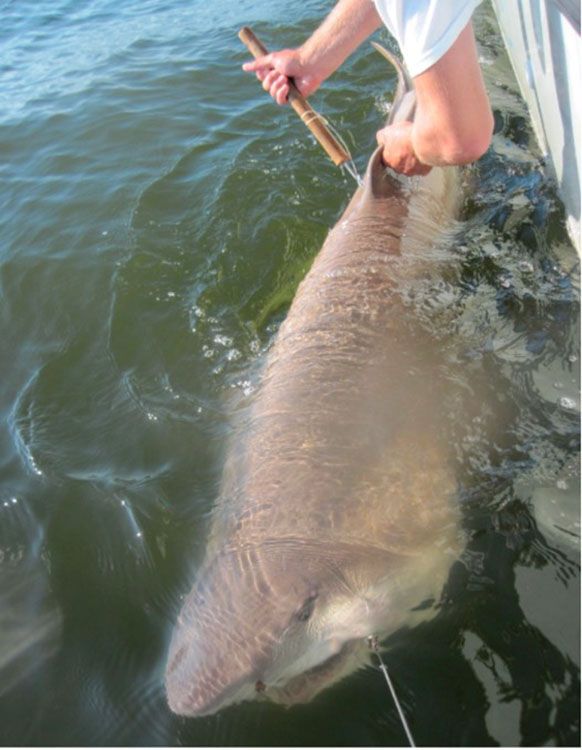
Sharks are back on the menu in 2025, with global unprovoked bites climbing to 65 worldwide according to the International Shark Attack File—still a tick below the 10-year average of 72, but up from 2024’s eerie lull. Nine fatalities marked the year, edging past the long-term average of six, a grim reminder that nature doesn’t take holidays. For U.S. coastal dwellers, the silver lining shines bright: America’s share of these incidents plummeted, thanks to vigilant beach patrols, targeted shark-spotting tech, and—let’s be real—a cultural edge in personal preparedness that keeps jaws at bay.
Zooming in on the 2A angle, this dip in U.S. bites isn’t coincidence; it’s correlation with empowerment. While international waters see haphazard encounters (think Australia and South Africa dominating the stats), our shores benefit from a populace trained and tooled to respond decisively. Picture it: a swimmer menaced offshore, a concealed carrier on the beach scanning horizons—firearms aren’t splashing in surf, but the mindset they instill does. Data from the ISAF underscores how proactive deterrence works; fewer bites here mirror plummeting crime rates in shall-issue states, where armed citizens act as the ultimate apex predator. Sharks sense the shift—hesitate less when prey seems defenseless abroad.
Implications for the gun community? Double down on coastal carry advocacy. Push for streamlined CCW reciprocity at beaches, fund shark-awareness drills that nod to self-defense fundamentals, and highlight how 2A fortifies freedom from fang to fin. As global bites rise amid climate shifts and overfishing disrupting migrations, America’s model proves armed vigilance isn’t just for landlubbers—it’s the lifeline keeping our waves safer than ever. Stay strapped, stay salty, Second Amendment sailors.


