
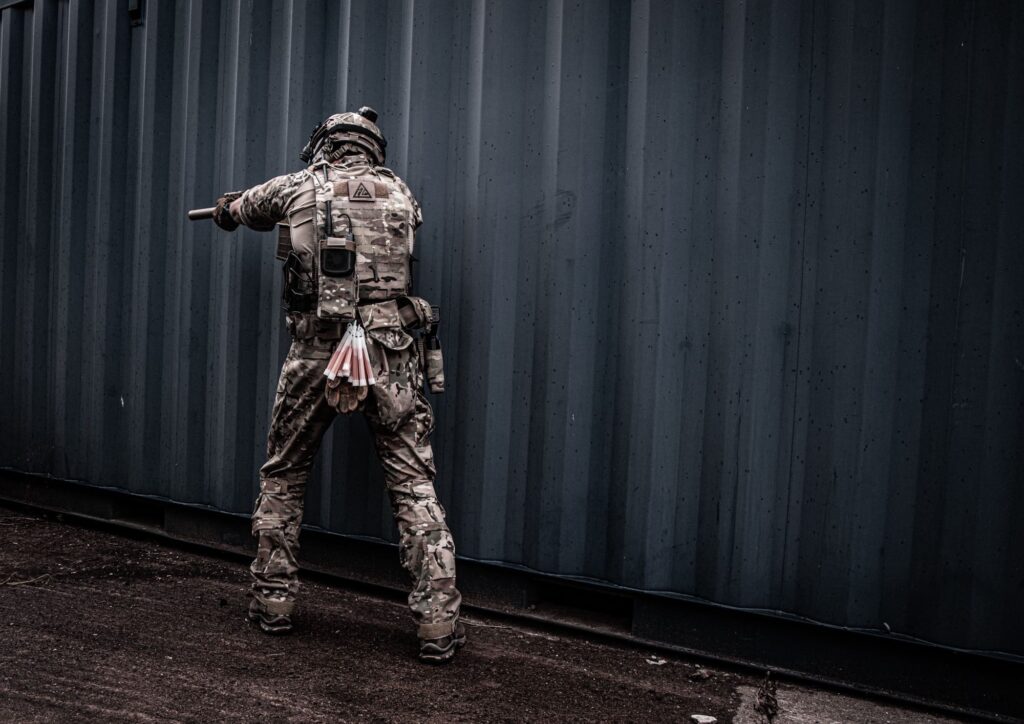
From the dusty ambush trails of Iraq and Afghanistan, where IEDs turned every patrol into a deadly game of hide-and-seek, to today’s skies buzzing with cheap, weaponized drones, the dismounted soldier’s fight has gone vertical—and high-tech. The STORM 2 C-UAS (Counter-Unmanned Aerial Systems) system steps into this fray as a game-changer for the foot soldier, evolving the old-school manpack jammers that once created invisible RF bubbles shielding convoys from remote-detonated bombs. Back in the early 2000s, those jammers were a battlefield miracle, disrupting enemy signals and saving countless lives by turning the electromagnetic spectrum into a no-fly zone for insurgents. Now, STORM 2 adapts that proven tech for the drone age, packing portable drone-jamming power into gear the average infantryman can hump without breaking stride. It’s not just about survival; it’s a reminder that innovation in defense often starts small, rugged, and soldier-tested.
Dig deeper, and STORM 2’s implications ripple far beyond the foxhole, straight into the heart of the 2A community. These systems highlight how civilian tech—think hobbyist drones and off-the-shelf radios—has democratized asymmetric warfare, putting world-altering firepower in the hands of non-state actors. Just as IEDs forced the military to innovate with RF countermeasures, swarms of commercial quadcopters demand portable, user-friendly defenses that echo the self-reliant ethos of armed citizens. For 2A advocates, this is a clarion call: the same lightweight jammers and detection tools trickling down from mil-spec gear could empower ranchers spotting cartel spotters, hunters warding off poacher eyes in the sky, or preppers countering surveillance threats on home turf. Uncle Sam’s R&D isn’t hoarded in vaults; it spills over into the civilian market, much like AR-15 platforms evolved from military M4s. The lesson? When threats evolve from buried bombs to buzzing UAVs, the right to bear arms extends to bearing the tools that keep you one step ahead—because a dismounted defender, military or civilian, thrives on adaptability, not bureaucracy.
Looking ahead, STORM 2 underscores a pivotal shift: warfare’s future favors the mobile, the modular, and the individually empowered. As drones proliferate—from Ukrainian frontlines to urban riot zones—the 2A space should champion access to C-UAS countermeasures, framing them as natural extensions of self-defense rights. Imagine compact jammers integrated with red-dot sights or thermal optics, blurring lines between soldier and sentinel. This isn’t sci-fi; it’s the next evolution of the protective bubble, reminding us that in an era of peerless threats, the Second Amendment isn’t just about lead—it’s about leveling the electronic playing field for every American guardian. Stay vigilant, stay armed, and watch the skies.


