
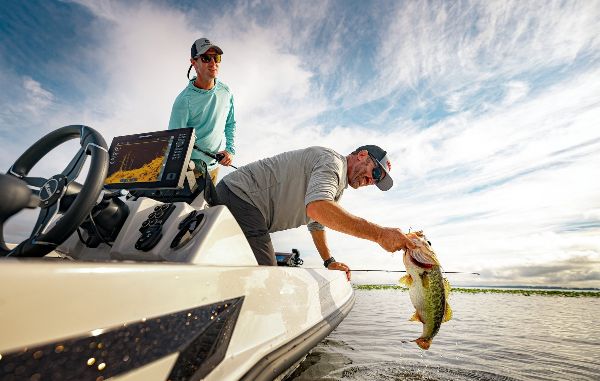
Florida’s Fish and Wildlife Conservation Commission just dropped a bureaucratic bombshell on visiting anglers: no more online or phone purchases for short-term non-resident fishing licenses. That’s right—those convenient 3-day and 7-day options are now strictly in-person only, forcing out-of-state fishermen to trek to tax collector’s offices or authorized agents. The stated rationale? Undisclosed, but whispers of administrative efficiency and cracking down on license fraud sound awfully familiar to anyone who’s watched governments tighten the screws on everyday freedoms.
This isn’t just about casting lines into the surf; it’s a textbook case of creeping government overreach that should have every 2A advocate’s radar pinging. Think about it: fishing licenses have long been a low-friction gateway to outdoor recreation, much like concealed carry permits used to be before states started mandating in-person only interviews, fingerprints, and waiting periods. Florida, a beacon of 2A sanity with constitutional carry and permitless stand-your-ground laws, is now mirroring the same inconvenient hoops that anti-gun bureaucrats use to suppress Second Amendment exercise—shall-issue morphing into maybe-if-you-jump-through-these-rings. The implications are stark: if they can eliminate frictionless access to a simple fishing license under vague pretenses, what’s stopping them from reviving in-person training mandates or background check delays for gun purchases next? Short-term visitors, often tourists fueling Florida’s $10B+ fishing economy, get hit hardest, potentially chilling participation and local business—echoing how restrictive carry laws deter travel and tourism in blue states.
2A patriots, take note: this is your canary in the coal mine. Contact your FWC commissioners, rally at the next tax collector’s office, and push back before convenience fees become the norm for all licenses—fishing, hunting, or otherwise. Florida’s wild places belong to free men and women, not desk-jockey gatekeepers. Stand up now, or reel in the consequences later.


