

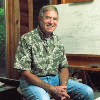
In the world of wildlife art and conservation, few names resonate as deeply as David Maass, whose passing at 96 marks the end of an era for Ducks Unlimited and the broader hunting heritage. A five-time DU Artist of the Year, Maass wasn’t just a painter—he was a pioneer who blended exquisite realism with a passion for waterfowl, designing 38 duck and conservation stamps that adorned hunters’ licenses and galleries alike. Through his Wild Wings imprint and collaborations, he raised millions for habitat preservation, turning canvas into currency for the wetlands that sustain ducks, geese, and the traditions they underpin. His iconic works, like those capturing the drama of a mallard decoying into a spread, didn’t just sell prints; they fueled the North American Wetlands Conservation Act, proving art’s power in the fight against habitat loss.
For the 2A community, Maass’s legacy is a masterclass in cultural reinforcement—reminding us that gun rights aren’t isolated from the ecosystems they protect. Hunters, the backbone of the Pittman-Robertson Act’s funding machine, rely on artists like him to humanize our pursuits, countering urban narratives that paint us as villains rather than stewards. His stamps, mandatory for every waterfowl hunter, embedded conservation into our licenses, generating over $1 billion since 1937 for wildlife restoration—funds that keep public lands open and shotguns firing. In an age of escalating attacks on hunting seasons and lead ammo, Maass’s art subtly defended our way of life, illustrating why the Second Amendment intersects with the wild: self-reliant Americans conserving what they harvest.
As Ducks Unlimited mourns, the 2A world should celebrate and emulate—commission more Maass-inspired works, support stamp programs, and recognize that our fights converge on shared ground. His passing isn’t just a loss for feathers and frames; it’s a call to arms (figuratively and literally) to preserve the artistic ammunition that sustains our outdoor freedoms. Rest in peace, maestro—your decoys will guide us yet.


