
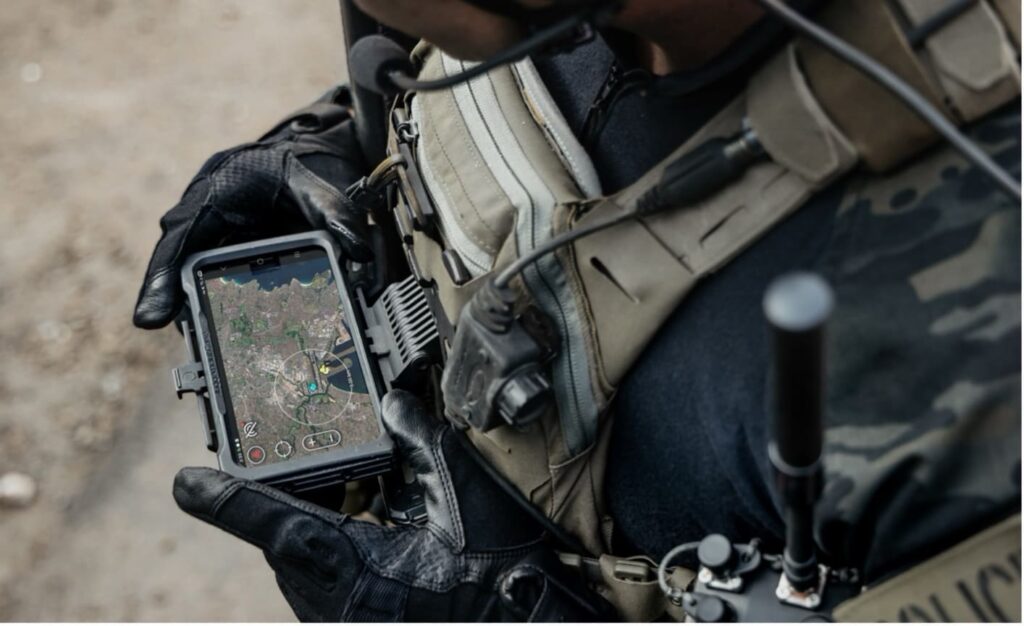
DroneShield, the Aussie powerhouse in counter-drone tech, just dropped its Q1 2026 software suite, supercharging their DroneSentry-C2, DroneSentry-C2 Enterprise, and RfPatrol-Plugin systems, with firmware boosts for detection and disruption hardware. This isn’t some incremental patch—it’s a full-spectrum upgrade enhancing real-time threat detection, AI-driven classification, and seamless integration across multi-sensor networks. Picture this: swarms of illicit drones scouting perimeters or dropping payloads now get neutralized faster, with improved false-positive filtering and plug-and-play scalability for everything from military bases to critical infrastructure. DroneShield’s tech already dominates in high-stakes environments like airports and events; these updates make it even more lethal against evolving UAV threats.
For the 2A community, this hits different—it’s a double-edged sword in the skies. On one hand, pro-2A folks running private ranges, retreats, or homesteads can now affordably layer DroneSentry into their security stack, turning personal property into no-fly zones for prying eyes or worse. Imagine integrating RfPatrol’s pocket-sized RF detection with your AR-15 patrol rifle setup—early warning on inbound drones means you dictate the engagement, preserving your right to self-defense without aerial surprises. But here’s the rub: governments and anti-2A regimes love this stuff for public safety, potentially deploying it to surveil gun shows, militia musters, or even your backyard steel challenge. We’ve seen feds test counter-drone systems at events like DEF CON; these updates lower the barrier, risking overreach that chills Second Amendment exercises.
The implications scream vigilance: 2A advocates should push for open-source alternatives or regulatory firewalls to keep this tech decentralized, not a Deep State monopoly. DroneShield’s move cements their lead in a $2B+ market exploding 25% YoY (per Drone Industry Insights), but it underscores why we curate these stories—knowledge is your first line of defense. Stay frosty, stock up on RF jammers if legal in your state, and watch how this ripples into the 2026 election cycle’s security debates.


