
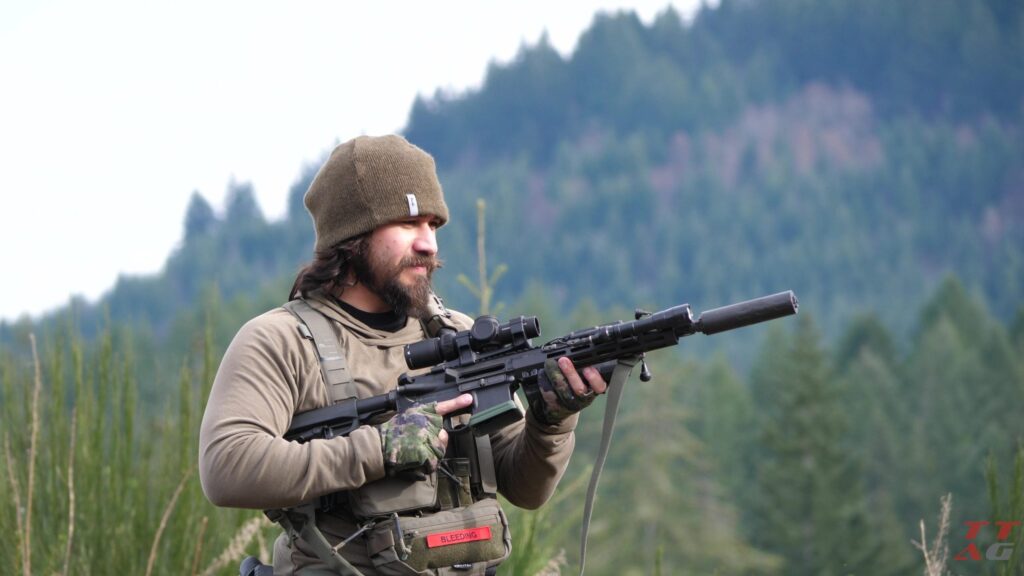
Of course, you do. At least, that’s the resounding answer from firearms experts and real-world testing, even as suppressors—those sleek cans hailed as the gold standard for taming muzzle blast—slash noise levels dramatically. The source text dives into the nitty-gritty: a suppressed .223 rifle might drop from a deafening 165 dB to around 140 dB, still well above the 140 dB threshold where permanent hearing damage kicks in after just a few shots. Subsonic ammo and perfect conditions help, but variables like barrel length, ammo type, and even suppressor design mean you’re never truly safe without ear pro. It’s a myth-busting reality check that separates Hollywood fantasies from range reality.
For the 2A community, this underscores a critical layer of personal responsibility in our fight for expanded suppressor access via the Hearing Protection Act or SHOT Act reforms. Suppressors aren’t magic silencers; they’re tools for hearing preservation, recoil reduction, and neighbor-friendly shooting, but ditching earplugs or muffs invites tinnitus roulette. I’ve curated countless suppressed builds—from the Dead Air Sandman on an AR to the SilencerCo Omega on a PCC—and the data aligns: ANSI standards demand double protection for anything over 140 dB, and indoor ranges amplify the risk. Politically, it arms us against anti-gun narratives painting cans as assassin tech; emphasize safety stats showing suppressed firearms reduce shooter hearing loss by 30+ dB, yet still require vigilance.
The implication? Stock up on quality electronic muffs like the Walker Razor Slims alongside your Form 4 wait—it’s not paranoia, it’s prudence. This elevates the suppressor debate from accessory to essential, pushing lawmakers to normalize NFA items without the $200 tax stamp farce. Next range day, suppress and protect; your ears (and future self) will thank you. Stay vigilant, shoot safe, and keep fighting for 2A freedoms.


