
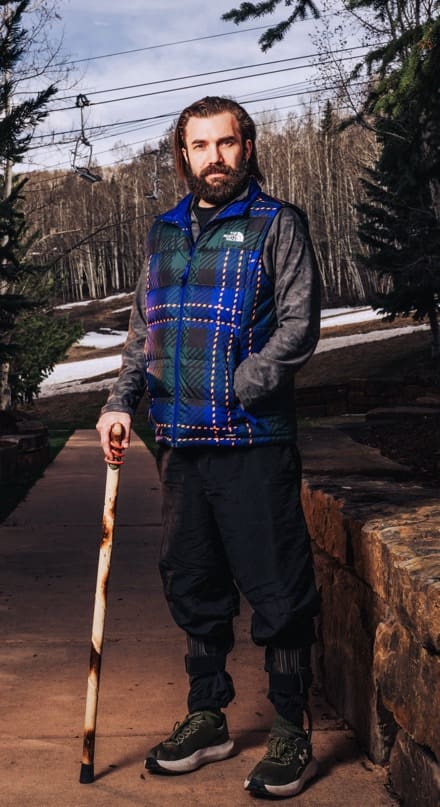
SNOWMASS, Colo. – The year was 2021, and U.S. Army Veteran Andrew Carpenter was brimming with contentment. He was building a career as a software account executive and embracing life in the ever-changing, yet illuminated daze of first-time parenthood. But rewind a few years earlier, and Carpenter’s world had shattered: a devastating injury during his service left him paralyzed from the chest down, robbing him of the mobility that defined his active-duty life. Fast-forward to the Disabled Veterans Winter Sports Clinic, where this resilient warrior traded his wheelchair for adaptive skis, mono-skis, and snowboards, rediscovering the thrill of speed and independence on Colorado’s powdery slopes. Events like these—now in their 36th year, hosted by the VA and drawing hundreds of vets annually—aren’t just about winter fun; they’re engineered triumphs of human engineering, pairing cutting-edge adaptive gear with world-class instruction to rebuild bodies and spirits shattered by combat or injury.
What elevates Carpenter’s story from inspiring anecdote to a clarion call for the 2A community is the unyielding thread of self-reliance it weaves. Paralyzed vets like him don’t just participate—they conquer, adapting tech from military-grade prosthetics to custom rigs that let them carve black diamonds with the ferocity of their pre-injury selves. This mirrors the core ethos of the Second Amendment: empowering individuals to defend their own mobility, security, and way of life against all odds. In a world quick to institutionalize dependence, these clinics prove that with the right tools—be they firearms for personal protection or adaptive skis for reclaiming the mountains—veterans refuse victimhood. Carpenter’s grin mid-air off a jump isn’t charity; it’s the raw, adaptive liberty that 2A safeguards, ensuring no government program can outpace a vet’s grit.
The implications ripple outward: as anti-2A forces push narratives of helplessness, stories like Carpenter’s arm the pro-freedom side with vivid proof of resilience. Imagine scaling this to concealed carry for wheelchair-bound patriots—specialized holsters, training tailored to adaptive needs—bolstering the very self-defense rights that let vets like him thrive post-service. These winter events aren’t sidelines fluff; they’re a proving ground for the unbreakable American spirit, reminding us that true mobility comes not from pity, but from the tools and rights to seize it back. For the 2A community, it’s a rallying cry: support vets, equip freedom, and watch paralysis turn to power.


