
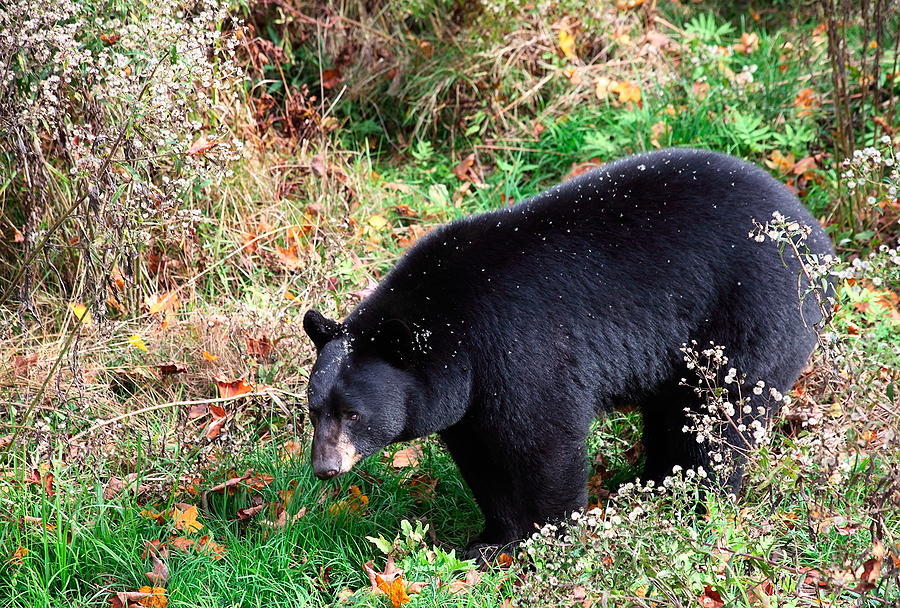
Florida’s long-awaited return to managed black bear hunting after a decade-long hiatus just wrapped up flawlessly, proving once again that science trumps hysteria every time. Despite the predictable outcry from animal rights activists who painted doomsday scenarios of bloodbaths and overhunting, the inaugural season—strictly limited to 320 permits across four zones, with mandatory hunter education and harvest reporting—saw hunters take just 86 bears over nine days. That’s a far cry from the panic-mongering predictions, and it underscores a key truth: when wildlife management is rooted in biology rather than emotion, it works. The Florida Fish and Wildlife Conservation Commission (FWC) backed this with hard data—bear populations exploding to over 20,000 statewide, encroaching on human habitats, raiding trash, and posing real risks to pets, livestock, and people. This wasn’t a free-for-all trophy hunt; it was a precise tool to stabilize numbers, much like culling deer herds to prevent starvation and disease.
For the 2A community, this is more than a wildlife win—it’s a masterclass in defending rational resource stewardship against emotional overreach, with direct parallels to our Second Amendment battles. Just as anti-gunners scream blood in the streets over expanded carry rights or standard-capacity magazines, only for real-world data to show lives saved and crime deterred, Florida’s bear hunt exposes the playbook: hype fear, ignore facts, and demand total bans. Hunters, the backbone of conservation funding via Pittman-Robertson excise taxes (over $1.1 billion nationwide last year alone), stepped up here without incident, demonstrating the responsibility and ethics that define ethical firearm use. The implications? Bolster your arguments next time regulators eye hunting seasons or gun rights—point to Florida’s success as exhibit A. When armed citizens manage nature sustainably, communities thrive, predators stay in check, and liberty prevails over hysteria.
Looking ahead, the FWC’s post-hunt survey will fine-tune quotas, but early signs scream vindication: zero hunter safety violations, minimal roadkill spikes, and bears still abundant. This sets a precedent for states like California and New Jersey, drowning in unchecked bear populations amid defunded management. For pro-2A advocates, it’s a rallying cry—our rights aren’t just about self-defense; they’re about stewarding the wild with the tools that built America. Keep hunting, keep carrying, and keep winning with data.


