
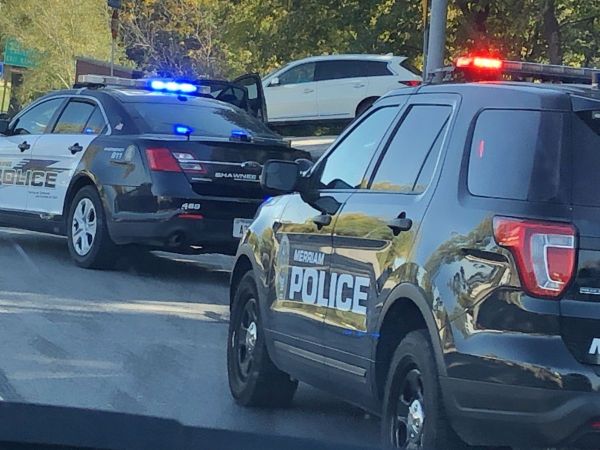
In the high-stakes world of Second Amendment advocacy, where every interaction with law enforcement can tip the scales between de-escalation and disaster, one overlooked vulnerability stands out: our own emotional wiring under pressure. The source nails it—heightened tensions, rage-fueled outbursts, and that knee-jerk nonsense we might unleash when badges show up aren’t just bad optics; they’re self-sabotage that hands the state a win on a silver platter. Picture this: you’re legally armed, minding your business, when a routine traffic stop escalates because your frustration boils over into defiance. War-gaming these encounters isn’t paranoia; it’s proactive marksmanship for the mind. As 2A warriors, we’ve mastered trigger discipline with our carry pieces, but how many of us drill the verbal judo to keep cool when the thin blue line draws first?
Context matters, and the data backs the urgency. ATF red flag laws and no-knock raids have surged post-Bruen, with incidents like the 2023 Louisville bank shooting aftermath showing how even justified carriers get painted as threats if they react hot. Stats from the Force Science Institute reveal that officer-involved shootings often stem from perceived aggression in the first 60 seconds—rage behaviors amplify that perception tenfold. For the 2A community, this isn’t abstract; it’s the difference between walking away with your rights intact or becoming the next viral gun nut meme that fuels confiscation pushes. Implications? Train like your liberty depends on it—because it does. Role-play scenarios with buddies: Officer, here’s my LTC and ID, hands visible. Practice the pause before the retort. Rage is the anti-2A lobby’s best friend; stoic competence is our loaded chamber.
Bottom line: Prevailing isn’t just about firepower; it’s mental fortitude. War-game contact with law enforcement now, or risk letting emotions turn your constitutional carry into a constitutional crisis. The 2A community thrives when we’re unbreakable under scrutiny—stay frosty, stay free.


