

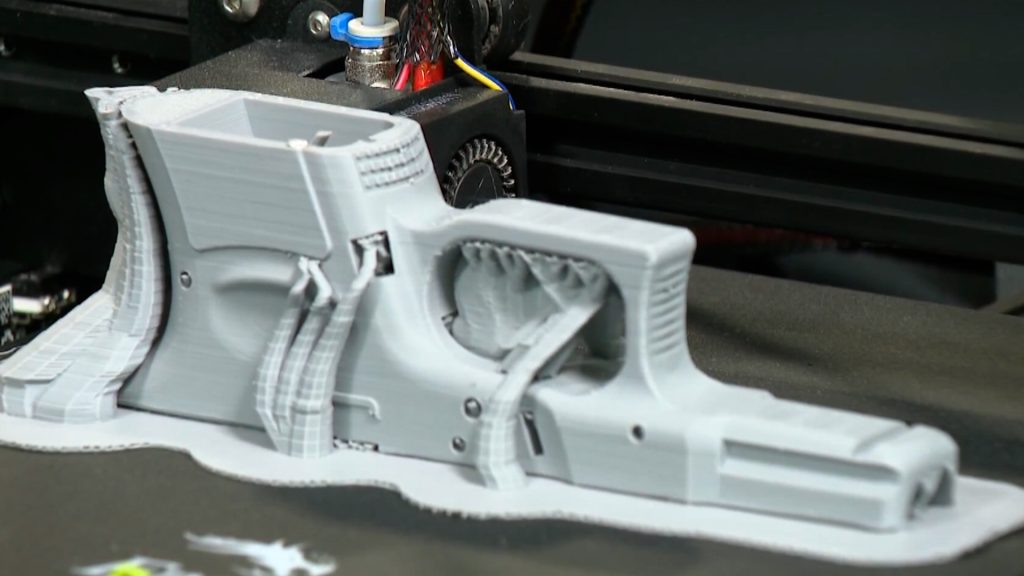
As courts wrestle with Second and First Amendment showdowns over 3D-printed gun regs, a fresh wave of collateral damage is hitting innovators, researchers, and free speech warriors alike—exactly as predicted by 2A advocates who warned these state-level bans would morph into full-spectrum censorship. The source text nails it: these laws, sold as mere public safety measures, are now snaring everyone from hobbyist tinkerers printing prototypes in garages to university labs exploring printable firearm tech for legitimate R&D. Think about it—California’s draconian codes, echoed in New York and elsewhere, don’t just criminalize ghost guns; they blanket-ban the underlying digital files and even discussions of them, turning code into contraband. This isn’t hyperbole; it’s happening now, with cases piling up where engineers face felony charges for sharing CAD models that could revolutionize manufacturing, all because politicians equate pixels with projectiles.
The real genius of these bans lies in their sneaky scope creep: what starts as a gun control fig leaf quickly smothers the open-source revolution that 3D printing promised. Remember Defense Distributed’s Cody Wilson? His Liberator pistol file wasn’t just a middle finger to ATF bureaucracy—it sparked a global maker movement, democratizing design in ways Big Gun couldn’t touch. Now, states are slamming that door, chilling speech under the guise of preventing untraceable firearms, while ignoring how printable tech could enhance safety (like custom grips for disabled vets) or drive innovation in non-lethal tools. For the 2A community, the implications are seismic: these aren’t isolated losses; they’re testing grounds for broader digital disarmament. If courts uphold this—especially post-Bruen—they’ll hand anti-gunners a blueprint to regulate thoughts, not just steel, eroding the right to keep and bear arms by proxy.
Buckle up, patriots—this is where the rubber meets the road. The 2A isn’t just about metal; it’s about the code that builds it, the speech that shares it, and the innovation it unleashes. As these challenges climb the dockets, every printed layer becomes a line in the sand. Support the fighters at the FFDL and watchdogs like the Firearms Policy Coalition; their wins could preserve not just your AR lower, but your right to iterate on it. Stay vigilant—the next ban might target your browser history.


