
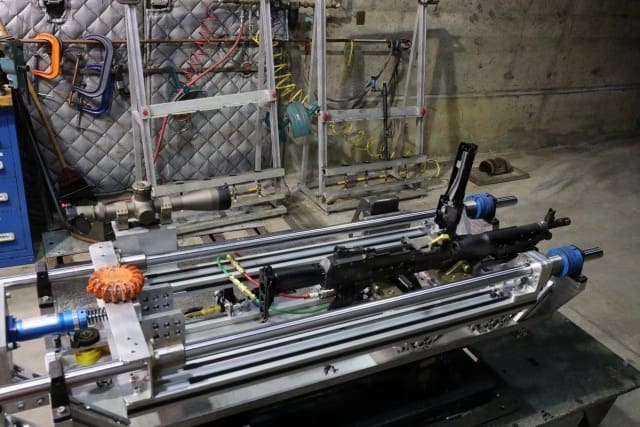
Army engineers at Picatinny Arsenal are teaming up with two Pennsylvania powerhouses—one a wizard in advanced alloys, the other a forging maestro—to craft the barrel for the military’s next-gen small arms. This isn’t just another procurement contract; it’s a strategic pivot toward lighter, tougher, more heat-resistant barrels that can handle sustained fire without warping or losing accuracy. Think precision rifling that endures extreme conditions, potentially incorporating exotic materials like high-strength titanium alloys or chromium-moly variants optimized for rapid prototyping. The goal? Barrels that outperform the M4 and M249 in reliability and lifespan, all while shaving weight for the modern warfighter lugging gear across diverse battlefields.
For the 2A community, this spells pure upside. Military R&D has a proven track record of trickling down to civilian markets—remember how M16 tech birthed the AR-15 platform, or how black rifle suppressors went mainstream post-military adoption? These Pennsylvania-forged barrels could soon hit the commercial scene via companies like Faxon or Ballistic Advantage, delivering drop-in upgrades for your duty rifle or precision build. Imagine civilian XM7/XM250-inspired uppers with barrels that shrug off 20,000+ round counts without throat erosion, at prices that don’t require selling a kidney. It’s a win for innovation: as the Army pushes boundaries to counter peer adversaries like China, we’re the beneficiaries of barrels that make suppressed SBRs even more viable and competition guns deadlier accurate.
The implications ripple further—expect faster iteration cycles as these firms scale production, potentially disrupting legacy barrel makers stuck in Cold War-era methods. For gun owners, it’s a reminder that 2A thrives on dual-use tech; lobby for NDAA provisions ensuring civilian access, and we’ll see this next-gen edge democratized quicker. Pennsylvania’s metalworking heritage just got a fresh chapter, and your next range day might owe it a nod. Stay vigilant—the future of small arms is being hammered out right now.


