
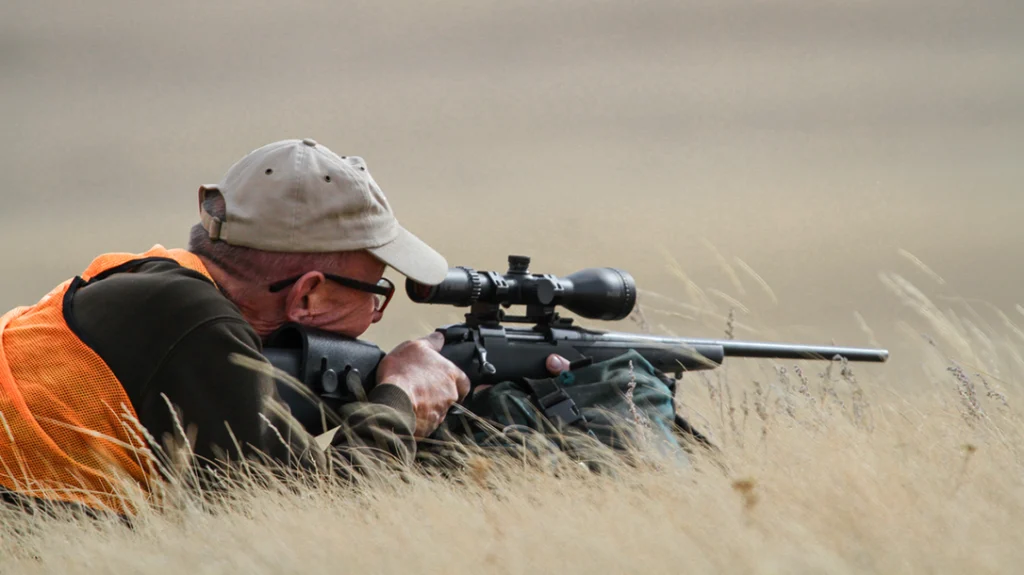
Unlocking the cryptic language of riflescopes isn’t just about sounding like a pro at the range—it’s a game-changer for every 2A enthusiast who values precision and self-reliance. Imagine dialing in your AR-15 for a 500-yard shot without fumbling over terms like MOA, parallax, or first focal plane (FFP). This essential 101 guide demystifies it all, breaking down how reticles scale with magnification in FFP scopes for consistent holdovers at any power, versus second focal plane (SFP) designs that keep subtensions fixed at max zoom. It’s not mere jargon; understanding eye relief prevents scope-induced black eyes during recoil-heavy sessions with your .308 battle rifle, while grasping objective lens size and coatings directly impacts low-light performance for dawn patrols or defensive stands.
For the 2A community, mastering this terminology empowers you to cut through retailer hype and spec-sheet overload, ensuring your optic matches your mission—be it home defense, hunting whitetails, or three-gun dominance. Clever insight: In an era of budget Chinese imports flooding the market, knowing turret tracking reliability means the difference between a scope that holds zero after 1,000 rounds and one that ghosts you mid-hunt. Pair this knowledge with pro tips like prioritizing illuminated reticles for NVG compatibility, and you’re not just equipped; you’re optimized. The implications? A more confident shooter base that demands quality from manufacturers, bolstering the industry while reinforcing our right to bear arms that perform when it counts.
This isn’t academic fluff—it’s tactical literacy. Dive into these definitions, apply them to your next optic upgrade, and watch your groups shrink while your edge sharpens. 2A warriors, arm yourself with knowledge; the range (and the fight) awaits.


