

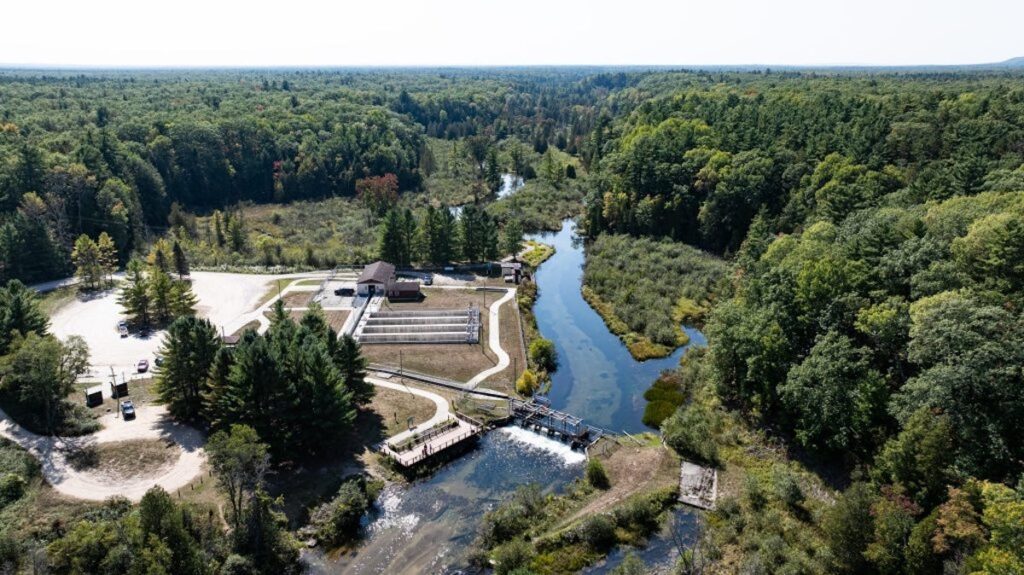
Imagine a raging storm slamming into Michigan’s Little Manistee River Weir, wiping out 1,200 steelhead trout in a single brutal night—fish that dedicated anglers had been anticipating for months. According to fisheries biologist Keith Lusher, the weirs designed to count and protect these prized migratory fish were overwhelmed by unprecedented water surges, turning a routine monitoring site into a watery graveyard. It’s a stark reminder of nature’s raw power, where man-made barriers meant to safeguard wildlife crumble under the force of a Midwest tempest, leaving biologists scrambling to assess the long-term impact on the river’s ecosystem and the local fishing economy.
But here’s where it gets intriguing for the 2A community: this isn’t just a fish tale—it’s a microcosm of vulnerability in our critical natural resources. Weirs, like the riverbanks they span, are static defenses against dynamic threats, much like gun-free zones or bureaucratic red tape that leave communities exposed when real dangers strike. Storms don’t negotiate or file permits; they surge with lethal force, underscoring why self-reliant tools—firearms for protection during floods, hunts, or evacuations—are non-negotiable for outdoorsmen who steward these waters. The implications ripple outward: as climate volatility amps up, expect more headlines like this, pressuring resource managers to prioritize resilient infrastructure over feel-good regulations that hamstring hunters and anglers who actually keep populations in check.
For pro-2A patriots, it’s a call to action—advocate for policies that arm citizens with the means to defend life, property, and the wild places we love, from storm-ravaged weirs to backcountry trails. While the steelhead recover (fingers crossed for next spawn), let’s ensure our rights don’t wash away in the next deluge. Stay vigilant, stay armed, and keep fighting for the freedoms that let us fish, hunt, and thrive in America’s great outdoors.


