
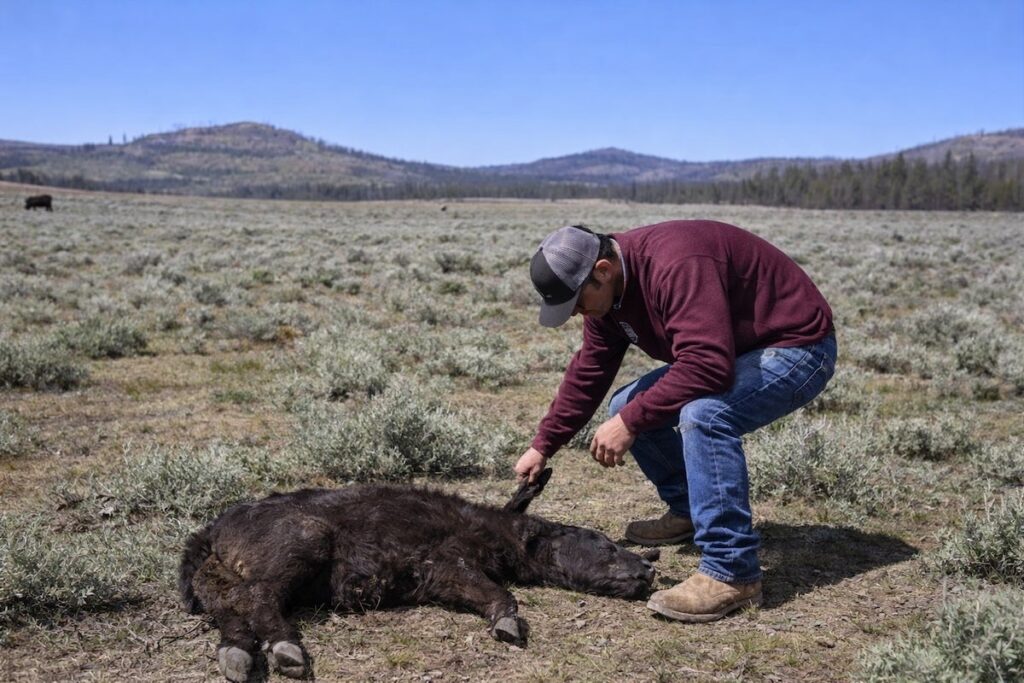
Ranchers in Colorado are digging in their heels as the state’s controversial gray wolf reintroduction program spirals toward a $1 million tab in livestock losses, exposing the thin line between environmental idealism and rural reality. What started as a voter-mandated balanced plan in 2020—reintroducing wolves to restore ecosystem harmony while promising fair compensation—has devolved into a financial black hole. Colorado Parks and Wildlife just greenlit over $700,000 for 2025 alone, on top of prior payouts, with depredation claims surging as wolf packs expand from their initial 10 transplants in late 2023. Ranchers aren’t just losing calves and sheep; they’re facing non-lethal damages like stressed herds and trashed grazing lands, yet the wolf population—now nearing 30 adults with pups on the way—shows no signs of slowing. This isn’t abstract ecology; it’s a direct hit to family operations already squeezed by regulations and market pressures.
The deeper crack here is in the trust between urban voters, wildlife bureaucrats, and the backbone of America’s food supply. Proponents sold wolves as a natural fix, but two years in, the math doesn’t add up: compensation lags behind verified kills (let alone unproven ones), and tools like lethal control or expanded hunting remain shackled by green mandates. Enter the 2A angle—frustrated ranchers are turning to self-reliant defenses, from guard dogs and range riders to firearms as the ultimate last line. Colorado’s strict wolf management rules delay non-lethal deterrents and restrict shooting even aggressive wolves on private land, forcing producers into a reactive crouch. This mirrors broader Second Amendment battles: when government promises protection but delivers bureaucracy, armed citizens step up. Data from states like Wyoming, where armed ranchers and legal wolf hunts keep populations in check, shows self-defense works—livestock losses there are a fraction of Colorado’s despite similar wolf densities.
For the 2A community, this is a clarion call: wolf reintroduction isn’t just about furry icons; it’s a proxy war on rural self-determination. As costs climb and wolves prowl closer to suburbs (hello, Denver backyard sightings), expect pushback via lawsuits, ballot measures, and yes, more concealed carry permits among herders. Politicians who ignore this risk alienating flyover voters who view their AR-15 not as a hobby, but a homestead safeguard. The implication? Substantiated by CPW’s own reports and rancher testimonies, failed wolf experiments bolster the case for armed autonomy—because when the state’s check bounces, your sidearm doesn’t. Stay vigilant; this pack’s just getting started.


