
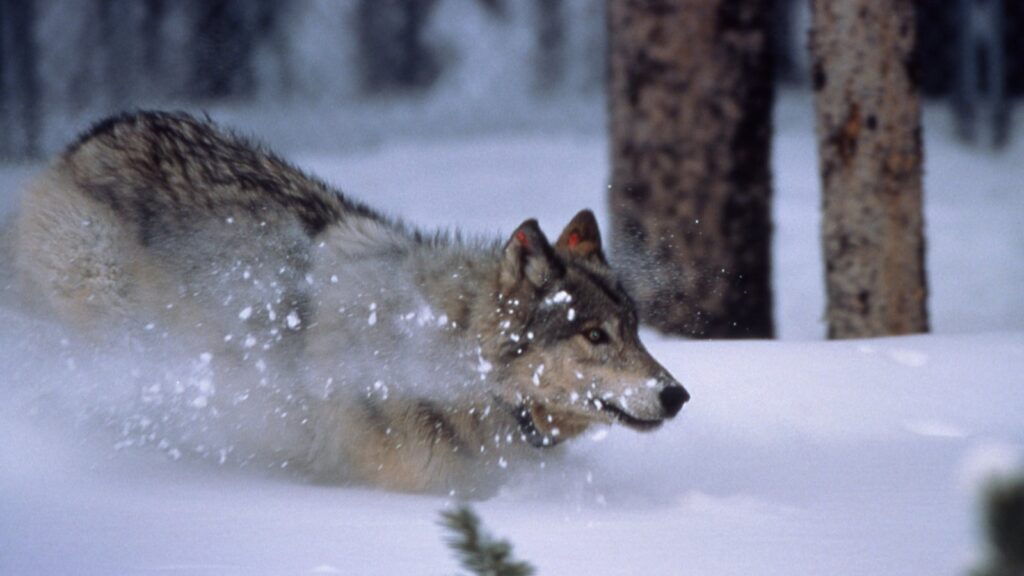
In the wild expanses of Yellowstone National Park, a famous wolf known as 23F – a matriarch of the Junction Butte pack celebrated by wildlife enthusiasts for her survival prowess and photogenic family – has met her end, and now the poaching investigation is underway. According to reports from outdoors writer Eugene L., the grizzled alpha was found dead from a gunshot wound outside park boundaries in Montana, prompting state wildlife officials to launch a full probe into what they suspect was an illegal kill. This isn’t just another animal story; it’s a flashpoint where federal protections clash with state hunting rights, and the devil’s in the details: wolves like 23F enjoy Endangered Species Act safeguards inside Yellowstone, but once they wander into huntable zones, they’re fair game under Montana’s management plans – legally, at least.
Digging deeper, this saga underscores a timeless tension in the American outdoors: the romanticized iconic wolf versus the rancher’s reality of livestock predation. 23F’s pack has been implicated in depredations that cost Montana ranchers thousands, fueling resentment among locals who see wolves not as Disney stars but as government-subsidized pests. Enter the 2A angle – the investigation hinges on forensic ballistics from the rifle round that dropped her, a reminder that self-defense tools in rural America double as the instruments of wildlife management. Anti-gun zealots love to spin these incidents into calls for tighter firearm regs, painting hunters as villains, but here’s the pro-2A truth: legal wolf hunting seasons exist precisely because armed citizens balance ecosystems when bureaucrats won’t. If this turns out to be a poacher skirting tags or seasons, it’ll rightly draw heat, but let’s not kid ourselves – overzealous enforcement risks chilling legitimate Second Amendment carry in predator country, where a sidearm isn’t a luxury, it’s livestock insurance.
The implications ripple wide for the 2A community: expect green activists to weaponize this tragedy for broader attacks on hunting culture and rural gun ownership, potentially pushing for drone surveillance or lead ammo bans in sensitive areas. Yet, this could backfire, galvanizing hunters and ranchers to double down on defending state sovereignty over federal wolf micromanagement. Stay vigilant, patriots – stock up on your hunting ammo, support Montana’s wolf quotas, and keep your rifles ready. In the end, 23F’s story isn’t about one wolf; it’s a battle cry for the right to bear arms against the jaws of overregulation.


