

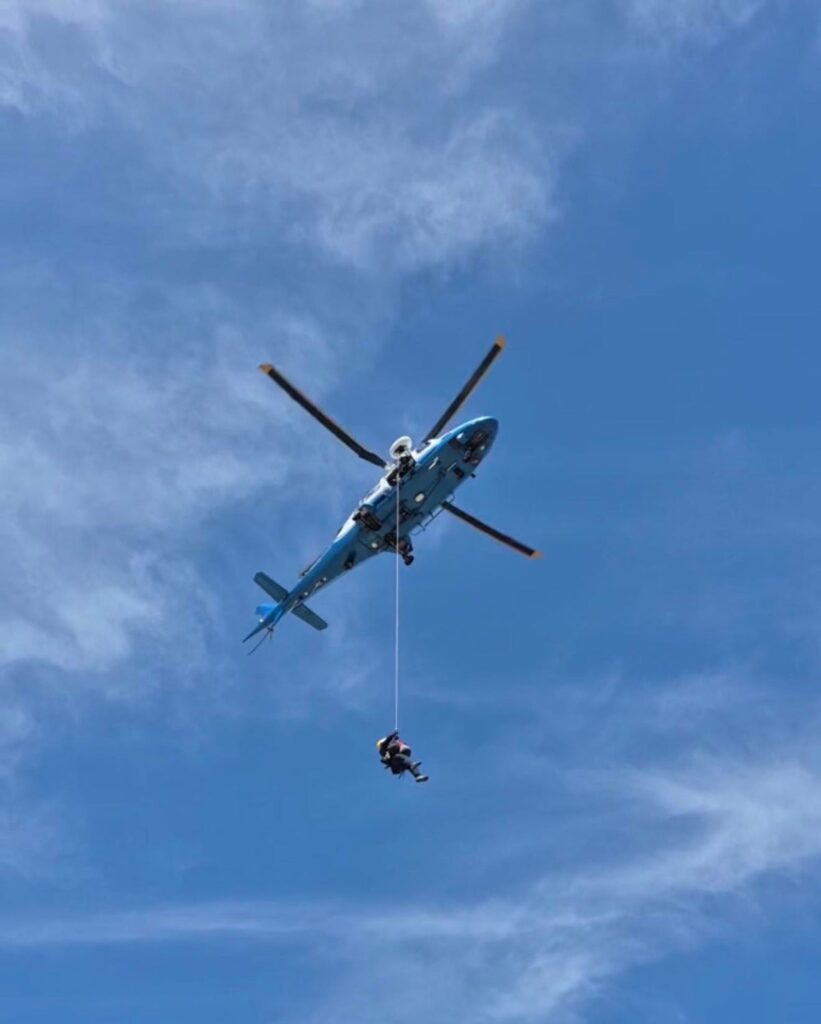
Imagine you’re huffing up Lookout Mountain Trail in north Phoenix, chasing that summit high, when out of nowhere, a buzzing black cloud descends—Africanized killer bees, delivering over 100 stings to an unlucky hiker. Phoenix Fire Department crews airlifted the guy to safety on Saturday morning, turning a routine hike into a life-or-death drama near Trail #100’s peak in the Lookout Mountain Preserve. These aren’t your garden-variety buzzers; Arizona’s feral honeybee population has been hybridized with aggressive African strains since the ’90s, turning the desert into a potential sting-fest for anyone wandering off-trail.
Now, why does this hit the 2A radar? Because nature doesn’t schedule its ambushes, and neither do real threats—whether swarms of pissed-off bees or two-legged predators. This hiker got lucky with a rapid helo evac, but what if he was miles deeper in backcountry, phone dead, and anaphylaxis kicking in? Anaphylactic shock from mass envenomation kills faster than you think, and in Arizona’s vast wilds, self-reliance isn’t optional. For the armed community, it’s a stark reminder: EDC isn’t just about bad guys; it’s about carrying epinephrine auto-injectors alongside that compact 9mm, because bees don’t respect gun-free zones or No Trespassing signs. Pro-2A hikers know the drill—train for the wilderness carry, where your sidearm doubles as a signaling tool (those bees hate smoke from a flare or signal fire) and your mindset turns victim into survivor.
The implications? Push for expanded concealed carry reciprocity in national forests and preserves, because when seconds count, rangers are minutes—or hours—away. This story’s a wake-up: Arm up, med-kit up, and hike smart. The desert’s beautiful, but it’s armed too—stay frosty, patriots.


