
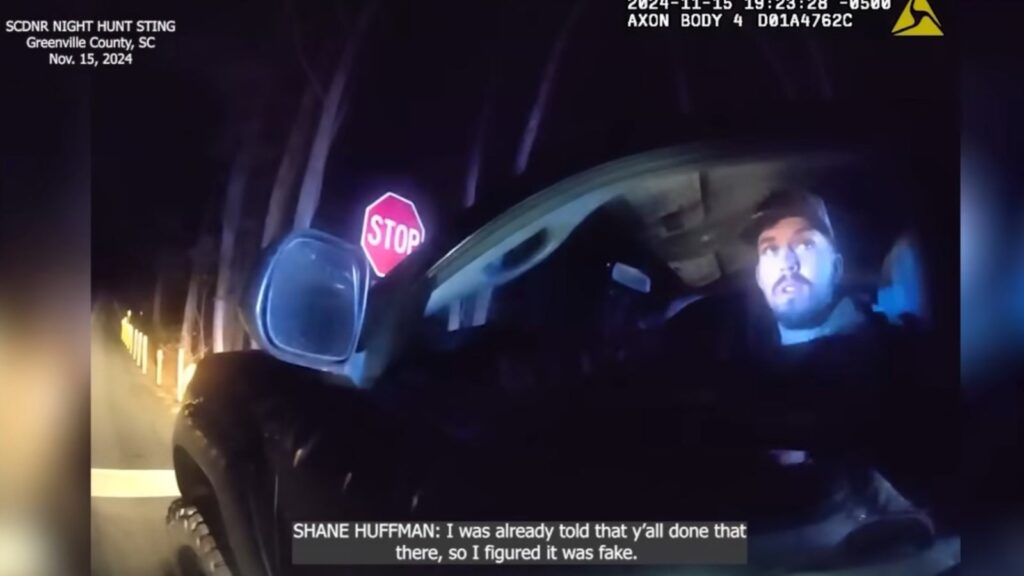
In a move that’s got South Carolina gun owners buzzing, Eugene L. Hunter is hauling the SCDNR into court after they dropped night hunting charges against him—only to fire him from his job anyway. The backstory? Hunter, a former SCDNR officer, was accused of illegally spotlighting deer at night, a no-go under state regs that ban artificial lights for big game after dark. Charges got tossed due to procedural screw-ups by the agency, but instead of a clean slate, Hunter claims retaliation axed his career. Now he’s suing for wrongful termination, alleging the SCDNR’s brass turned a botched bust into a personal vendetta, complete with whistleblower protections invoked under state law.
This isn’t just an employment spat—it’s a flashing red light for the 2A crowd on how wildlife agencies wield power like a loaded AR without oversight. Night hunting bans, rooted in fair chase ethics and safety (fair enough), often morph into selective enforcement playgrounds where LEOs play judge and jury. Hunter’s case exposes the double standard: SCDNR enforces these rules with zeal on civilians, yet when their own fumble the ball, they punish the target anyway. Pro-2A folks should watch closely—successful suits like this could chip away at bureaucratic immunity, forcing agencies to follow their own rules and reminding us that self-defense rights extend to battling government overreach in the field. If Hunter wins, it might embolden hunters nationwide to push back against arbitrary regs that smell more like control than conservation.
The ripple effects? Expect SCDNR to tighten internal policies, maybe even rethink night hunting tech like thermal scopes that blur the line between legal scouting and poaching. For the 2A community, it’s a rallying cry: arm yourself with lawyers, not just rifles, when facing alphabet soup agencies. This saga underscores why we fight for transparency—because when the state’s your employer and enforcer, due process isn’t optional, it’s the chambered round keeping tyranny in check. Stay tuned; court docs could drop more dirt on SCDNR’s playbook.


