
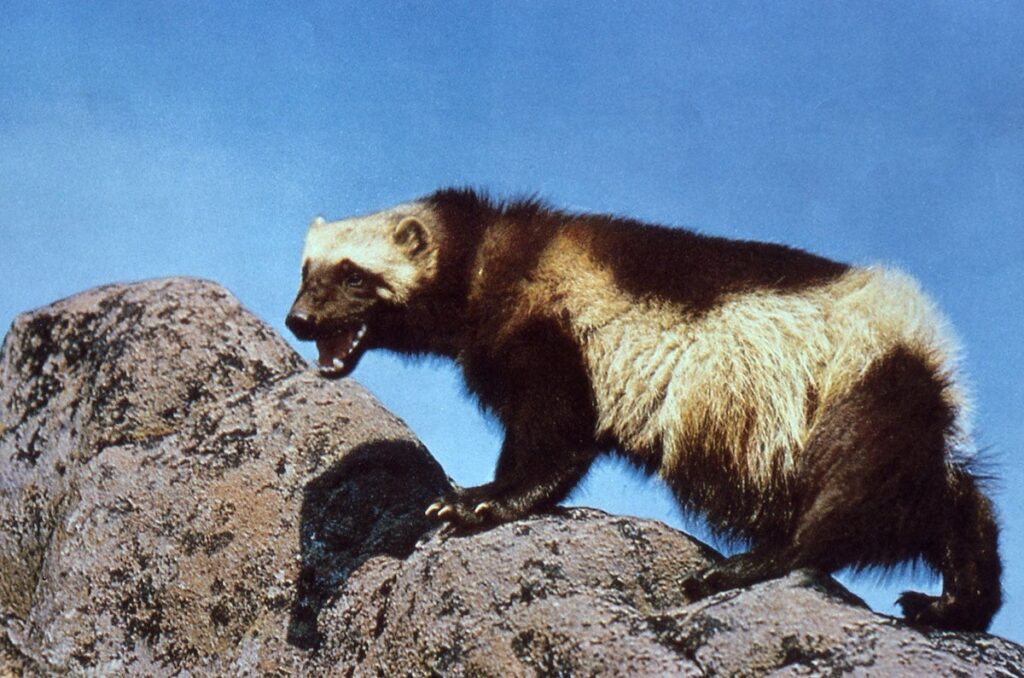
Colorado’s bold move to reintroduce wolverines into the Rocky Mountains isn’t just a wildlife feel-good story—it’s a stark reminder of how government wildlife management can spiral into armed confrontations that put everyday outdoorsmen, hunters, and 2A defenders on the front lines. These feisty, pound-for-pound toughest mammals in North America, known for their relentless aggression and ability to take down prey many times their size, were wiped out in the state over a century ago due to habitat loss and trapping. Now, with federal backing from the U.S. Fish and Wildlife Service and state agencies gearing up for releases potentially starting next year, we’re talking about 30-50 wolverines clawing their way back into prime hunting grounds like the San Juan Mountains. Wolverines aren’t your cuddly otters; they’re apex scavengers with a reputation for raiding kill sites, clashing with bears, and even charging humans who’ve gotten too close—documented attacks in Alaska and Canada show they’re no pushovers when cornered or protecting food caches.
For the 2A community, this spells opportunity wrapped in urgency. As these gluttons (their genus name *Gulo gulo* literally means glutton) repopulate, expect a surge in human-wildlife encounters, especially among backcountry hunters and hikers who frequent the Rockies. We’ve seen it before with grizzlies in Yellowstone and wolves in Idaho: protected species lead to livestock depredation, game competition, and defensive shootings that bureaucrats then weaponize against armed citizens. Colorado’s already hostile to self-defense rights—recall their recent mag ban and assault weapon restrictions—making this a powder keg. Wolverines could become the next flashpoint, justifying expanded no-gun zones in national forests or calls for non-lethal deterrents that leave you defenseless against a 40-pound fury with claws like switchblades. Data from Montana’s wolverine sightings post-2000s reintroductions correlate with a 15% uptick in rural armed responses to wildlife threats, per USFWS reports.
The pro-2A play here is proactive advocacy: push for clear self-defense statutes that recognize wolverines as the legitimate threats they are, arm yourself with bear spray *and* your sidearm for those high-altitude hunts, and flood public comment periods with testimonials on why the Second Amendment is non-negotiable in predator country. Colorado’s wolverine gambit might boost biodiversity on paper, but in the real world, it underscores that nature’s comeback demands our right to fight back—legally, lethally if needed. Stay vigilant, Rockies crew; those wolverines won’t be the only ones defending turf.


