

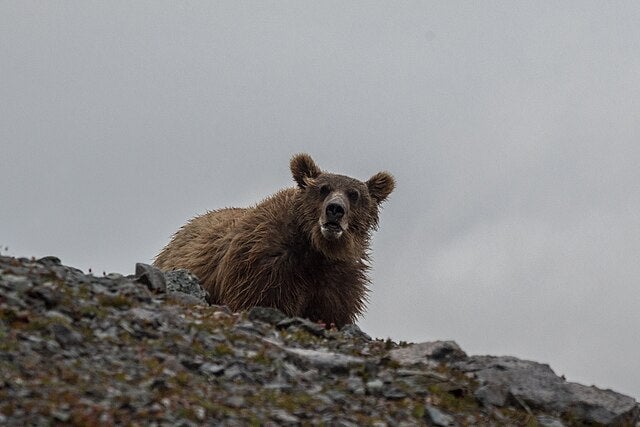
In the wild frontiers of Alaska, where the line between training and survival blurs, a group of soldiers faced a nightmare straight out of a frontier tale: a ferocious brown bear attack during a routine exercise. Reports detail how the beast charged without warning, injuring multiple troops before they could respond—highlighting the raw, unforgiving reality of bear country. This isn’t some remote fairy tale; it’s a stark reminder that even elite military personnel, armed and trained, can find themselves outmatched by nature’s apex predators when the wrong variables align.
Digging deeper, this incident underscores a critical truth for the 2A community: firearms aren’t just accessories for the range—they’re literal lifelines in places where help is hours away and claws don’t negotiate. Alaska’s grizzly and brown bears, weighing up to 1,500 pounds with claws like switchblades, have a track record of mauling over 100 people in the state since 2000, with firearms stopping attacks in about 85% of defensive encounters according to data from the Alaska Department of Fish and Game. Soldiers in this case were likely restricted to training protocols or sidearms ill-suited for such threats—pistols chambered in 9mm or .45 ACP pale against a charging bruin compared to the battle-proven .44 Magnum, .454 Casull, or 10mm loads favored by Alaskan residents. Contrast this with armed civilians like Jim Chasse, who dropped a grizzly with a .44 in 2017, or the countless hunters who’ve turned the tide. The military’s bureaucratic hesitation on bear spray vs. guns mirrors anti-2A arguments everywhere: non-lethal options fail when seconds count, as evidenced by bear spray’s mere 50-60% efficacy rate in peer-reviewed studies from the Journal of Wildlife Management.
For gun owners, this is a rallying cry—push back against restrictions on carry in federal lands, national parks, and training zones. If soldiers can’t neutralize a bear mid-charge without red tape, imagine the average hiker or off-grid family. The 2A isn’t about sport; it’s the thin line between predator and prey. Arm up, train smart, and let’s keep the wild wild, not widow-making.


