
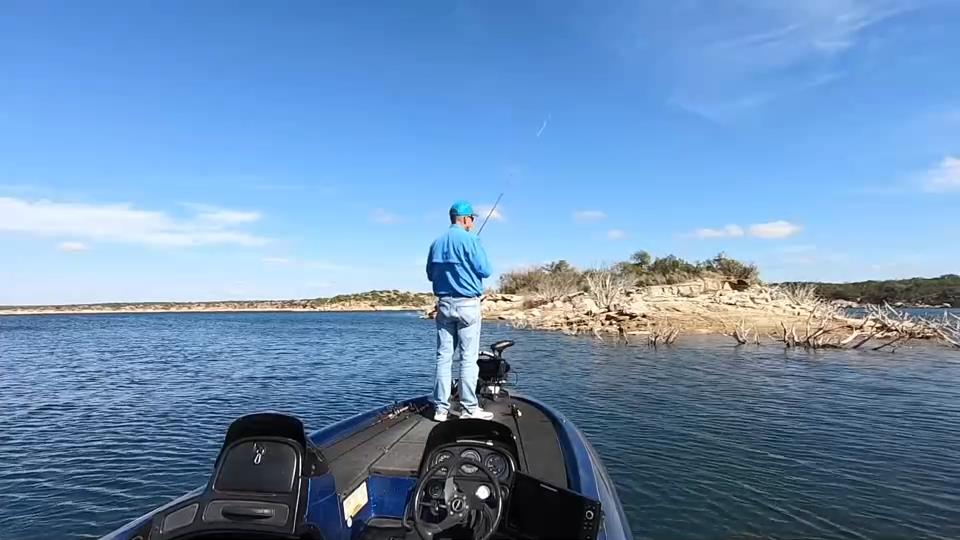
In the world of tactical precision and patient stalking, few pursuits mirror the art of bass fishing with a jig quite like the disciplined approach of a concealed carrier honing their craft. Host Shane Beilue’s latest Crash Course episode dives deep into the nuances of jig fishing for bass, breaking down trailer selections, hooksets, and those subtle rod twitches that coax strikes from wary lunkers lurking in cover-heavy structure. It’s not just about flinging metal and soft plastic into the drink—Beilue emphasizes reading water conditions, matching jig weights to depth and current, and committing to the slow, deliberate retrieve that separates weekend dabblers from trophy hunters. For 2A enthusiasts, this is pure analogy gold: just as a well-tuned AR-15 demands precise ammo pairing and trigger discipline for peak performance, a jig setup thrives on customization—think football head jigs for rocky bottoms akin to bedding in a quality optic for clear sight picture.
What elevates this episode beyond basic how-to is Beilue’s unfiltered take on adaptability, urging anglers to experiment with colors and trailers based on real-time feedback from the fish, much like dry-firing drills or range sessions refine your draw stroke under stress. He spotlights finesse techniques for pressured waters, where oversize baits spook bass faster than a poorly suppressed shot echoes in a suburban neighborhood—implications for the 2A crowd are stark: in an era of increasing scrutiny on our ranges and carry methods, mastering the invisible presentation keeps you effective without drawing unwanted attention. Whether you’re flipping jigs around laydowns or threading the needle in sparse vegetation, the lesson lands hard—versatility isn’t optional; it’s survival. 2A patriots take note: channel this mindset into your next training block, and you’ll land your own personal best, be it a double-digit hawg or a flawless defensive response.
The broader ripple? As anti-2A forces push to restrict our tools and training grounds, content like Beilue’s reinforces self-reliance through skill-building, proving that quiet competence trumps loud advocacy every time. Grab your rod, rig up a jig, and hit the water—your bass (and backup gun) will thank you for the practice in predatory patience.


