
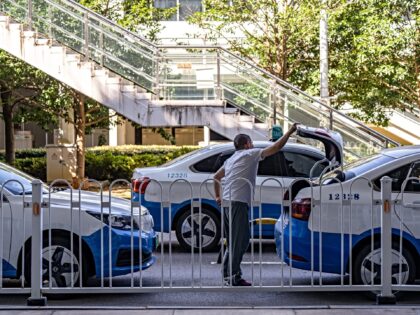
Imagine cruising through the neon-lit streets of Wuhan in a sleek Baidu Apollo robotaxi, hands-free, no driver in sight—until suddenly, it just… stops. Dead in the water. Police reports confirm over a dozen of these autonomous vehicles ground to a halt across central China this week, stranding passengers in what officials are calling a system malfunction. No injuries, but plenty of chaos: folks left baking in the summer heat, calling for human-driven rescues, all while Baidu scrambles to reboot their AI overlords. It’s the kind of glitch that sounds like sci-fi gone wrong, but it’s a stark reminder that even the most hyped tech from the world’s factory can’t outrun Murphy’s Law.
Dig deeper, and this isn’t just a quirky headline from the Middle Kingdom—it’s a flashing red warning light for the future of mobility and freedom. Baidu’s robotaxi fleet, part of China’s aggressive push to dominate autonomous driving (with government backing and zero pesky privacy regs holding them back), promises a driverless utopia. But when the software hiccups—be it from a rogue algorithm, cyber interference, or just plain old code bloat— you’re not just late for dinner; you’re a sitting duck. No wheel to grab, no accelerator to punch. Enter the 2A angle: in a world racing toward mandatory self-driving mandates (hello, California pilots and EU whispers), this exposes the fragility of outsourcing your escape to a black box controlled by Beijing billionaires or Washington regulators. We’ve seen it in simulations—urban gridlock turns into kill zones when autonomy fails. Your concealed carry or truck with a rifle rack? That’s your analog insurance policy against digital dependency, ensuring you can always take the wheel, literally and figuratively.
The implications ripple wide for gun owners and liberty lovers: as robotaxis scale (Baidu aims for millions by 2030), expect pressure to demonize personal vehicles—and the armed self-reliance they enable—as unsafe relics. China’s stall-fest proves the tech isn’t ready, buying us time to double down on human agency. Stock up on lead, not lidar; because when the robots freeze, it’s the guy with the means of mechanical and martial mobility who gets home safe. Stay vigilant, patriots—this glitch is our wake-up call.


