
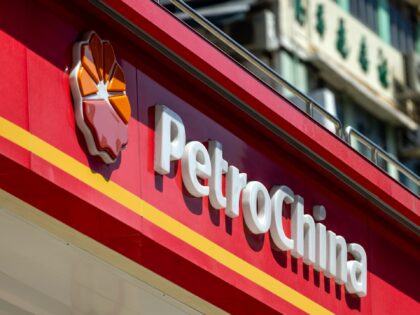
PetroChina, the massive Chinese state-owned oil giant, has slammed the brakes on buying or trading Venezuelan crude since the U.S. effectively seized control of the country’s oil exports earlier this month. According to a Reuters report, the company issued directives to its partners to steer clear entirely, highlighting Beijing’s reluctance to tangle with American-enforced sanctions and export licensing regimes. This isn’t just a footnote in global energy markets—it’s a stark reminder of how U.S. economic leverage can reshape supply chains overnight, forcing even a powerhouse like China to pivot away from discounted Venezuelan barrels that were once a bargain basement staple for their refineries.
Digging deeper, this move underscores the fragility of oil-dependent regimes like Venezuela’s, where political instability meets superpower maneuvering. The U.S. Department of Justice’s recent indictments and asset seizures targeting PDVSA (Venezuela’s state oil company) have turned the spigot into a choke point, with American oversight now dictating who gets the black gold. PetroChina’s compliance isn’t altruism; it’s cold calculus—avoiding secondary sanctions that could freeze their access to global finance or tech. For context, China has been gobbling up Venezuelan oil at deep discounts amid Maduro’s chaos, but now they’re sidelined, potentially driving up costs and scrambling Asia’s energy imports just as demand surges.
Here’s where it ties directly to the 2A community: this is exhibit A in why energy independence and robust domestic production aren’t just economic talking points—they’re national security imperatives that safeguard our Second Amendment freedoms. A U.S. beholden to foreign oil tyrants risks the kind of vulnerabilities that lead to rationing, inflation, and government overreach, eroding the self-reliant ethos at the heart of gun rights. When America flexes on Venezuela’s exports, it bolsters our drilling boom under pro-energy policies, keeping fuel affordable for hunters, range days, and rural defenders who rely on trucks and generators. Weak leaders chasing green fantasies make us pawns in Beijing-Caracas games; strong ones, like those championing drill baby drill, ensure cheap gas and secure borders. PetroChina’s sidestep is a win for U.S. leverage—let’s keep the pressure on to protect our energy sovereignty and the armed citizenry it empowers.


