
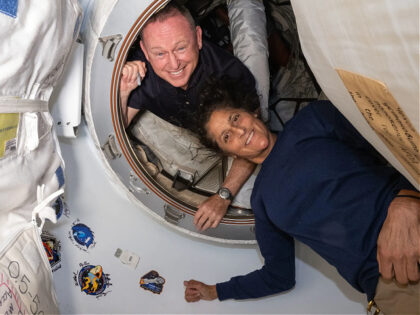
NASA has just slapped Boeing with its harshest safety label yet, reclassifying the Starliner’s astronaut-stranding fiasco as a Type A mishap—the agency’s top-tier red flag for life-threatening screw-ups. Eight months after the capsule limped back to Earth without its human cargo (who hitched a ride home on a Russian Soyuz instead), this downgrade from a lesser Type B incident underscores what a colossal embarrassment this has been for Boeing. The helium leaks, thruster failures, and software glitches that turned a routine crewed mission into a prolonged space hotel stay aren’t just engineering footnotes; they’re a stark reminder of what happens when corners get cut in high-stakes tech under government contracts.
Digging deeper, this saga mirrors the pitfalls of bloated federal oversight and contractor complacency that 2A advocates have long warned about in domestic spheres like firearms regulation. Boeing, flush with $4.6 billion in NASA handouts for the Commercial Crew Program, still delivered a lemon that stranded NASA astronauts Butch Wilmore and Suni Williams in orbit for over 200 days—echoing how ATF red tape and rushed mandates have hamstrung American manufacturing, from bump stock bans to forced compliance redesigns that jack up costs without enhancing safety. Imagine if your AR-15 build was federally subsidized yet failed spectacularly due to ignored warnings; Boeing’s repeated delays (originally pegged for 2017) and NASA’s own certification shortcuts parallel the gun industry’s fight against arbitrary bureaucracy that prioritizes politics over proven reliability. The implications? Boeing’s stock is tanking, rival SpaceX is lapping them with flawless Dragon missions, and taxpayers are left holding the bag—much like how 2A communities foot the bill for endless regulatory overreach while innovators like suppressor makers get stifled.
For the pro-2A crowd, this is a rallying cry: government monopolies breed mediocrity, whether it’s stranding heroes in low-Earth orbit or demonizing self-defense tools. Boeing’s Type A debacle proves private-sector competition (hello, Musk’s reusable rockets) delivers when freed from the nanny state’s grip—reinforcing why Second Amendment protections aren’t just about rights, but about ensuring American ingenuity thrives without DC’s bungled interventions. Keep an eye on Starliner’s next flight test; if it flops again, expect more congressional hearings and calls for reform that could ripple into defense contracting, where firearms freedom intersects with national security.


