
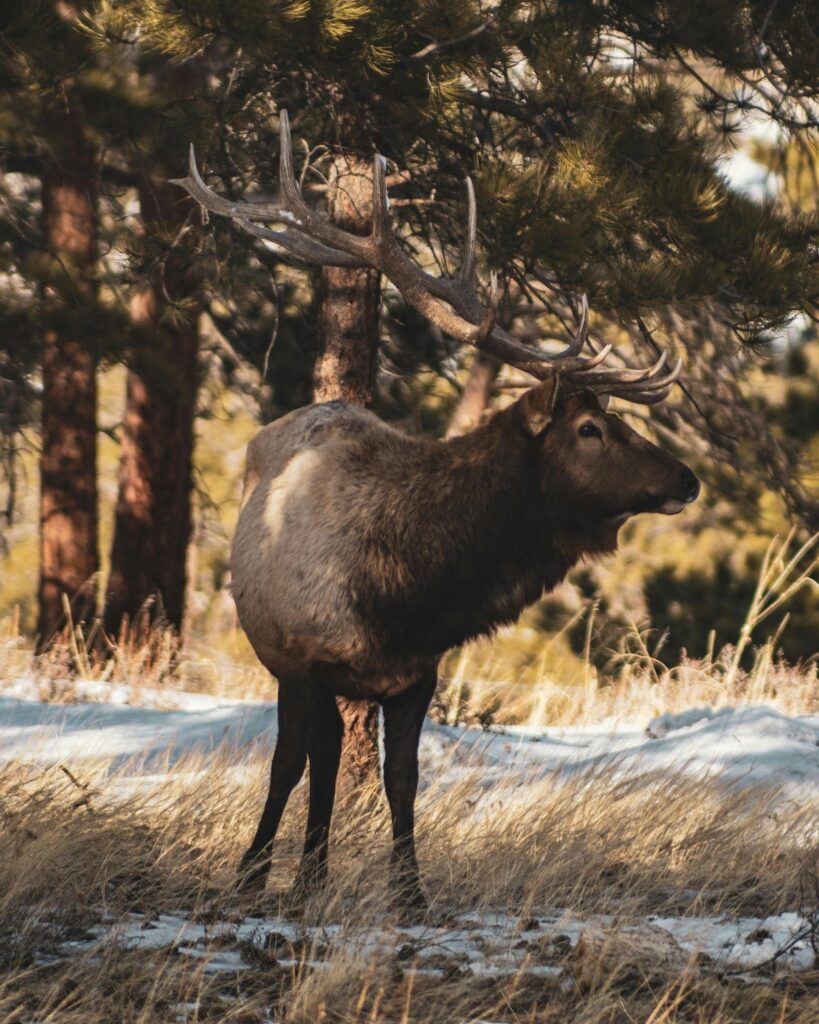
In a stunning twist that reeks of irony, Idaho Fish and Game Commissioner Jesse Montoya has been slapped with felony charges for allegedly poaching a trophy bull elk on national forest land last fall. According to court documents and witness accounts detailed by journalist Keith Lusher, Montoya and two accomplices reportedly shot the massive 6×6 elk out of season, hauled it away in a trailer under cover of darkness, and even posed for photos with their illicit prize—only to butcher and distribute the meat among friends. The case blew open when a tipster provided photos and video evidence to authorities, leading to Montoya’s resignation from the commission amid a blizzard of public outrage. This isn’t some backwoods hunter gone rogue; it’s a high-ranking wildlife steward caught red-handed abusing the very resources he’s sworn to protect.
What’s truly galling here isn’t just the blatant law-breaking—poaching a bull elk carries up to five years in prison and $25,000 fines in Idaho—but the blatant hypocrisy from a man entrusted with enforcing game laws. Montoya, a lifelong hunter with deep ties to Idaho’s outdoor community, now faces the kind of scrutiny that underscores how fragile trust is in self-policed systems. For the 2A community, this hits close to home: just as we defend responsible gun ownership against blanket demonization, poachers like Montoya give ammo (pun intended) to anti-hunting radicals who paint all firearm users as scofflaws. Remember the Bundy standoff or Waco? Government overreach thrives on elite rule-breakers eroding public faith, and this case amplifies calls for stricter oversight on public lands—potentially spilling into expanded federal hunting regs that could crimp 2A-protected traditions like self-reliant big-game pursuits.
The implications ripple wider: with poaching scandals fueling urban narratives of lawless rednecks, expect renewed pushes for tech surveillance like mandatory GPS on rifles or drone patrols in elk country, inching toward the nanny-state erosion of Second Amendment freedoms rooted in our hunting heritage. Idaho Fish and Game’s swift action is commendable, but it begs the question—will Montoya’s downfall lead to real reform, or just another layer of bureaucracy that burdens ethical hunters? 2A advocates should watch closely; this is a reminder to police our own ranks fiercely, lest we hand critics the narrative on a silver platter—or in this case, a bloody game cart.


