
Imagine the boardroom at Smith & Wesson headquarters in Marysville, Massachusetts, back in the early 1990s, when whispers turned to thunder: the state legislature was crafting a ban on the very assault weapons—AR-15 style rifles and their kin—that fueled a massive chunk of their revenue. It wasn’t just any law; it was the Massachusetts Assault Weapons Ban of 1998, folding into the state’s already draconian gun control regime, effectively criminalizing the modern sporting rifles that had become synonymous with American innovation and self-defense. Picture the executives poring over sales figures, realizing that their home turf was about to kneecap their flagship products. This wasn’t abstract policy; it was a direct gut punch to a company founded in 1852 on the promise of protecting liberty through superior firepower.
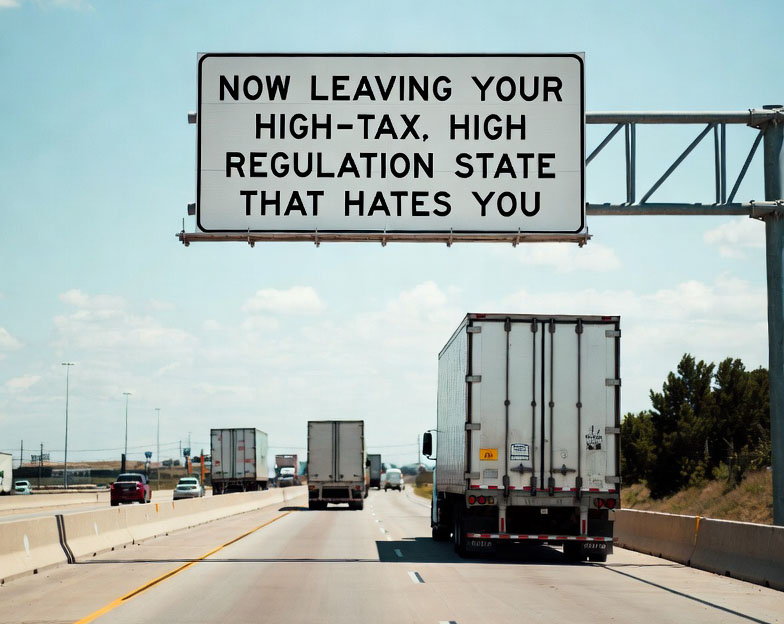
The fallout was swift and seismic. Smith & Wesson didn’t just grumble—they bolted. In a move that echoed through the firearms industry, the company relocated key operations to Springfield, Massachusetts, initially, but the real exodus came later, with manufacturing shifting to states like Tennessee and South Carolina, where pro-2A climates welcomed them with open arms and tax incentives. This wasn’t mere corporate wanderlust; it was a masterclass in Second Amendment economics. States like Massachusetts, with their patchwork of bans mirroring the failed 1994 federal assault weapons ban (which sunsetted amid zero evidence of reduced crime), hemorrhaged jobs and innovation. Smith & Wesson’s pivot preserved their business model while exposing the hypocrisy: blue-state politicians decry gun violence but drive away the very manufacturers creating safe, lawful products for millions of responsible owners.
For the 2A community, this is a blueprint for resilience and retaliation through the wallet. When California strong-armed manufacturers into microstamping and roster compliance, companies like Ruger and Remington simply stopped selling there, starving the state of revenue and tax dollars. Today, as more states flirt with similar overreach—New York’s SAFE Act expansions or Illinois’ looming AWBs—the lesson rings clear: vote with your feet, your factories, and your dollars. Relocation isn’t retreat; it’s a strategic advance, turning anti-gun strongholds into economic ghost towns while 2A havens like Texas and Arizona boom with jobs and innovation. Smith & Wesson’s saga isn’t tragedy—it’s a triumph of free-market freedom, reminding us that the right to keep and bear arms isn’t just defended in courtrooms, but on shop floors and state lines.


